Have you ever suddenly wanted chocolate, chips, sweets, or something salty and felt like you needed it right away? Food cravings are common, and they can feel very strong. But cravings are not random. They often reflect what is happening in your body, your brain, and even your daily routine.
Many people assume cravings always mean the body is missing a specific vitamin or mineral. In reality, the science is more complicated. Cravings can be influenced by stress, sleep, hunger, emotional triggers, habits, and the way certain foods activate the brain’s reward system.
That means your craving may be giving you a clue. It may not always mean you need that exact food. Sometimes it is a sign that you are tired, dehydrated, under-eating, stressed, or simply used to reaching for comfort food at a certain time of day.
Table of contents:
| Cravings and hunger are not the same |
| What can sweet cravings mean? |
| What can salty cravings mean? |
| What can chocolate cravings mean? |
| What can cravings during stress mean? |
| What can cravings after meals mean? |
| Do cravings always mean a deficiency? |
| How to respond to cravings in a healthy way |
Cravings and hunger are not the same
One of the first things to understand is that cravings and hunger are different. Hunger is a physical signal that your body needs energy. Cravings are usually a strong desire for a specific food, often something sweet, salty, fatty, or highly processed.
For example, if you are hungry, many foods sound good. If you are craving, you may want one exact thing, like chocolate, fries, or ice cream. That difference matters because it helps you figure out whether the issue is true hunger or something else.
What can sweet cravings mean?
A strong craving for sweets can happen when your body is low on energy, especially if you have gone too long without eating. It can also show up when you are stressed or mentally drained. Sweet foods give a quick rise in blood sugar, which is why they can feel so appealing during an afternoon slump.
Read More: University of Chicago News
Sleep plays a bigger role here than most people expect. Several controlled studies have found that cutting sleep short raises levels of ghrelin, the hormone that drives hunger, and increases preference for sweet foods specifically, not just food in general. Related research out of the University of Chicago found that after a night of restricted sleep, participants showed elevated levels of a compound that heightens the pleasure of eating, which peaked later in the day and stayed elevated into the evening. So if you often crave desserts late at night, it may be less about sugar itself and more about fatigue, habit, or emotional comfort. It’s worth noting that not every study agrees on the exact hormonal mechanism; one meta-analysis of six trials found no consistent change in ghrelin or leptin after sleep loss, so the effect on hunger hormones specifically may vary more than the popular narrative suggests, even though the appetite and food-choice effects are fairly consistent across studies.
Read More: randomized crossover trial, Nutrients

What can salty cravings mean?
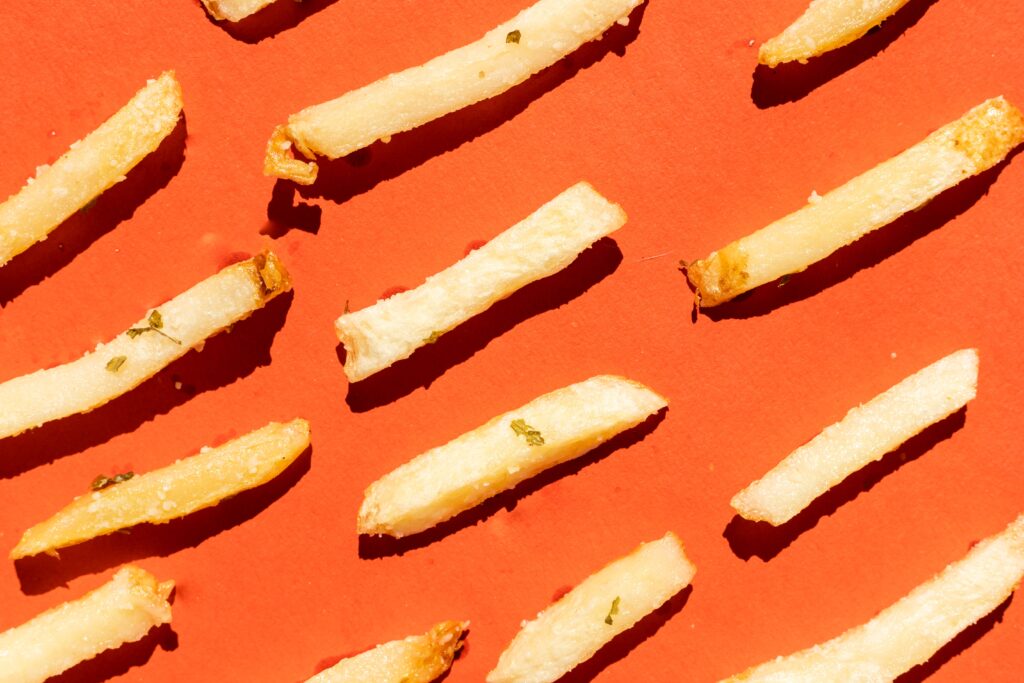
If you keep reaching for chips, fries, or salty snacks, your body may be reacting to several things. In some cases, salty cravings can happen when you are dehydrated or when you have been sweating a lot. They can also happen when you are stressed, because salty comfort foods are often part of emotional eating patterns.
Salty foods are usually very rewarding to the brain because they combine taste, crunch, and fat. That makes them easy to overeat, especially when you are bored or tired. If you notice this pattern often, it can help to check whether you are drinking enough water and eating balanced meals with protein, fiber, and healthy fats.
What can chocolate cravings mean?
Chocolate cravings are one of the most common cravings people talk about. Some people believe chocolate cravings always mean a magnesium shortage, but a closer look at the claim does not hold up well. A recent fact-check that consulted nutrition researchers found this idea to be mostly false, noting that cravings are more often driven by emotional triggers, stress, cultural habits, and the brain’s reward response, and that while chocolate does contain magnesium, wanting it is not a reliable sign that you are low on the mineral. If a true magnesium shortfall were driving the craving, you would expect people to reach for spinach or almonds instead, since those foods carry far more magnesium per serving than chocolate does.
Read More: THIP Media fact-check
This is why chocolate often feels more comforting than other foods. It is not only about the taste. It is also connected to pleasure, memory, and emotional reward. If you crave chocolate at the same time every day, it may be a routine signal more than a nutritional one.
What cravings during stress can mean
Stress can strongly affect food choices. When you are stressed, your body releases cortisol, and Harvard Health notes that numerous studies have shown physical or emotional distress increases intake of foods high in fat, sugar, or both, with high cortisol combined with high insulin likely playing a role. Cortisol appears to act directly on the brain’s hunger centers and reward pathways, which is one reason stress so often points people toward sugar, salt, and high fat foods rather than something plain and simple.
Read More: Harvard Health
There’s also a feedback loop worth knowing about. Eating those comfort foods can temporarily blunt the body’s cortisol response, which is part of why stress eating feels so effective in the moment even though it doesn’t address the underlying stress. This does not mean you are weak or lacking self-control. It means your brain is looking for quick comfort. Many cravings are part biology and part behavior. If stress is a regular part of your life, your cravings may be a sign that your nervous system needs rest, not just your stomach.

What can cravings after meals mean?
If you feel cravings soon after eating, the meal may not be keeping you full enough. This can happen when meals are low in protein, low in fiber, or too small. It can also happen if you eat too fast and do not give your body enough time to register fullness.
Another common reason is blood sugar swings. A meal that is heavy in refined carbs and low in protein may lead to a quick rise and drop in energy, which can leave you wanting another snack soon after. A more balanced plate usually helps reduce these ups and downs.
Do cravings always mean a deficiency?
Not usually. This is one of the biggest myths about cravings. While severe nutrient problems can sometimes affect appetite or eating behavior, most everyday cravings are not direct signs of a specific deficiency. Cravings are generally driven by a combination of physiology, psychology, and environment rather than one missing nutrient.
If you are truly concerned about a deficiency, the better clue is a pattern of symptoms, not one craving alone. For example, fatigue, pale skin, hair loss, or weakness may point to iron issues. Muscle cramps or unusual tiredness may point to other nutrition concerns. A craving by itself is usually not enough to diagnose anything.
How to respond to cravings in a healthy way
Instead of fighting cravings with guilt, try to understand them. Ask yourself a few simple questions. Am I hungry, tired, stressed, thirsty, or just used to this food at this time of day?
You can also reduce cravings by eating balanced meals, sleeping well, staying hydrated, and managing stress. If you want sweets often, add enough protein and fiber to your meals. If cravings happen in the evening, look at your dinner quality, your stress level, and your sleep routine. Small changes often make a big difference.
The goal is not to eliminate cravings completely. The goal is to listen to them intelligently. Sometimes a craving is just a craving. Other times, it is your body asking for better rest, better fuel, or a little more balance.
FAQs
This article is for general education and is not a substitute for personalized medical or nutritional advice. If you’re noticing persistent, unusual cravings alongside other symptoms, it’s worth checking in with a doctor or registered dietitian.