Table of Contents
| 1. What is excessive sweating? |
| 2. Common causes of excessive sweating |
| 3. When to see a doctor |
| 4. How to manage excessive sweating |
| 5. FAQs |
Sweating is normal. It’s how your body cools down when you exercise, get hot, or feel stressed. But some people sweat far more than the situation calls for, even in a cool room, while sitting still, or during completely ordinary activities. That’s called excessive sweating, or hyperhidrosis.
It can affect the underarms, palms, feet, face, scalp, or the whole body. It can be embarrassing and uncomfortable, but it’s also a recognized medical condition, and it can usually be managed. Knowing what’s behind it helps you figure out whether you’re dealing with a temporary trigger or something worth getting checked.
What is excessive sweating?
Excessive sweating means sweating more than your body needs to regulate temperature. It’s different from the normal sweating that comes with heat, exercise, spicy food, or emotional stress.
Doctors usually split it into two main types:
- Primary hyperhidrosis: Sweating with no underlying medical cause.
- Secondary hyperhidrosis: Sweating caused by a medical condition, a medication, or another outside factor.
Primary hyperhidrosis tends to hit specific areas like the palms, soles, underarms, or face. Secondary hyperhidrosis is more likely to affect the whole body.

It’s also a lot more common than most people assume. Primary hyperhidrosis is estimated to affect around 4.8 percent of people in the United States, with similar figures reported in Germany (4.6 percent) and Sweden (5.5 percent) (Deutsches Ärzteblatt International). Even so, many people never bring it up with a doctor. One summary of national survey data found that only 38 percent of people with a primary pattern of symptoms had ever consulted a health professional, with an estimated 15-year average delay before people seek help (GPnotebook).
Common causes of excessive sweating
1. Primary hyperhidrosis
In many people, excessive sweating has no clear medical cause. This is primary hyperhidrosis. The nerves that control the sweat glands become overactive and tell the glands to make more sweat than necessary.
It usually starts early. Primary hyperhidrosis typically shows up between ages 14 and 25, and sweating in the hands often begins even earlier, before puberty (Deutsches Ärzteblatt International). It also runs in families more often than you might expect: somewhere between 30 and 65 percent of people with it report a relative who has it too, which points to a genetic component in many cases (Deutsches Ärzteblatt International).
One more detail that’s actually useful for telling the types apart: typical primary hyperhidrosis doesn’t cause extra sweating during sleep (Deutsches Ärzteblatt International). So if the main problem is drenching night sweats, that points away from primary hyperhidrosis and toward something that deserves a closer look.
This type isn’t dangerous on its own, but it can wear on your confidence, your work, your social life, and your day-to-day comfort.
2. Heat, exercise, and humidity
Sweating is your body’s built-in cooling system. When your body temperature rises, the sweat glands release moisture onto your skin, and as it evaporates, you cool down.
Hot weather, high humidity, physical activity, and heavy clothing all ramp this up. That’s completely normal, unless the amount of sweat is far more than the conditions would explain.

3. Stress, anxiety, and strong emotions
Emotional stress can switch on the sweat glands, especially in the palms, soles, and underarms. Anxiety, nervousness, fear, embarrassment, and even excitement can all do it.
This is different from primary hyperhidrosis because it’s tied to an emotional trigger. That said, people with anxiety disorders may sweat more often or more intensely than others.
If your sweating mostly shows up during stressful moments and settles once you calm down, anxiety or emotional triggers are probably part of the picture.

4. Spicy food, caffeine, and alcohol
Certain foods and drinks can make you sweat more. Common triggers include:
- Spicy food
- Hot drinks
- Coffee and tea
- Alcohol
- Fatty or high-protein meals
- Sugary or salty foods
Spicy foods contain compounds that activate heat receptors in your mouth, so your body reacts as if it’s overheating. Caffeine and alcohol can also stimulate the nervous system and increase sweating in some people.

5. Medications
Plenty of medicines can cause sweating as a side effect. Common examples include:
- Some antidepressants
- Some diabetes medicines
- Some pain relievers
- Some blood pressure medicines
- Some hormonal medicines
- Some medicines used for mental health conditions
If the sweating started after you began a new medicine or raised a dose, don’t stop it on your own. Talk to your doctor, who can work out whether the medication is contributing.

6. Hormonal changes
Hormones play a big role in how much you sweat, so anything that shifts hormone levels can change sweat production.
Common hormonal causes include:
- Menopause and perimenopause, which often bring hot flashes and night sweats
- Pregnancy
- Puberty
- Thyroid problems, especially an overactive thyroid
- Diabetes and blood sugar swings
Menopause-related sweating often happens at night and can come with flushing, mood changes, or disrupted sleep.
7. Medical conditions
Sometimes excessive sweating is a sign of an underlying health problem. That’s secondary hyperhidrosis, and it tends to be generalized, meaning it affects the whole body, rather than being limited to a few spots. It also becomes more common with age, particularly after 60 (Deutsches Ärzteblatt International).
Possible medical causes include:
- Overactive thyroid
- Diabetes and low blood sugar
- Infections such as tuberculosis
- Heart disease or heart failure
- Obesity
- Anxiety disorders
- Neurological conditions
- Certain cancers or blood disorders
- Rare adrenal gland tumors
Sweating that affects the whole body, starts suddenly in adulthood, happens mainly at night, or comes with weight loss, fever, or other symptoms should be looked at by a doctor.
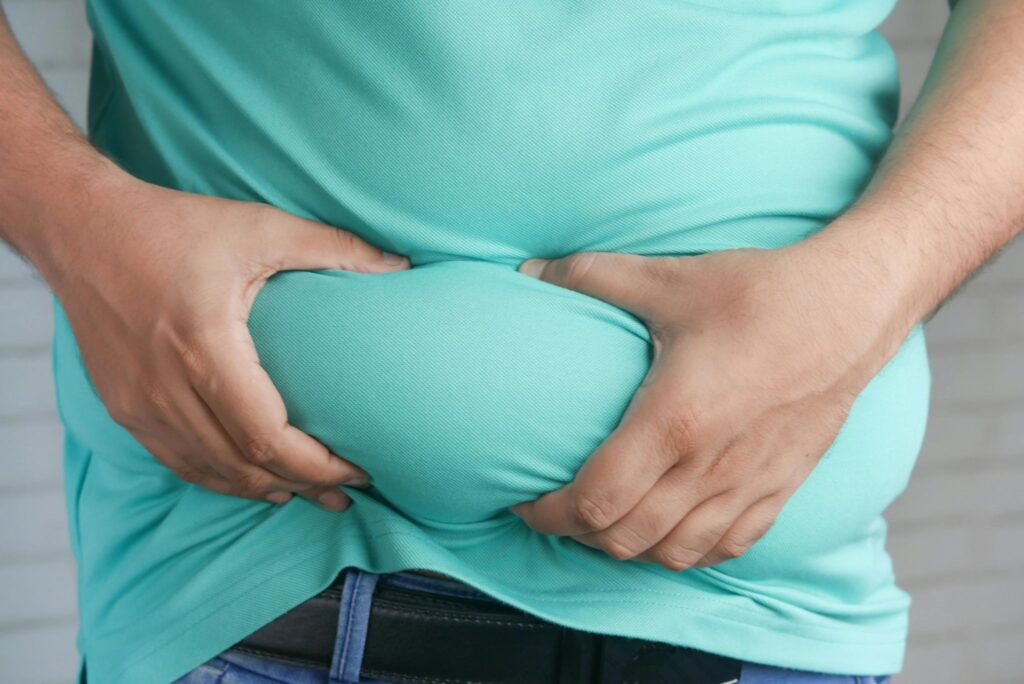
8. Obesity
Carrying extra body weight can increase sweating because your body has to work harder to regulate temperature. Extra insulation from fat tissue and the added effort of moving around both contribute.
Weight loss, when it’s appropriate, may reduce sweating. But it won’t always eliminate it if the underlying cause is primary hyperhidrosis.
When to see a doctor
You should talk to a doctor if:
- Sweating is excessive and affects your daily life
- It started suddenly in adulthood
- It happens mainly at night
- It affects your whole body rather than specific areas
- It comes with fever, weight loss, fatigue, or other unexplained symptoms
- It happens alongside chest pain, shortness of breath, or palpitations
- It began after starting a new medication
- It comes with dizziness, confusion, or very low blood sugar
A doctor may suggest blood tests to check thyroid function, blood sugar, infection markers, or other possible causes.
How to manage excessive sweating
The right approach depends on the cause, but a few general steps can help:
- Use a clinical-strength antiperspirant, especially at night
- Wear breathable, moisture-wicking fabrics
- Avoid your known triggers, like spicy food, caffeine, or alcohol, if they affect you
- Keep a symptom diary to spot patterns
- Manage stress with breathing exercises, meditation, or therapy
- Stay hydrated and maintain a healthy weight if appropriate
- Talk to a doctor about medication options if the sweating is severe or persistent
For primary hyperhidrosis, doctors generally work through treatments in steps. According to guidance summarized by the American Academy of Family Physicians, a prescription-strength 20 percent aluminum chloride solution is the first-line treatment in most cases regardless of severity or location, with botulinum toxin injections and iontophoresis (a gentle electrical current, mainly for the palms and soles) as other early options, and oral anticholinergic medicines kept for when those don’t work (American Family Physician). Surgery is a last resort for severe cases that haven’t responded to everything else. For secondary hyperhidrosis, treating the underlying condition is usually the priority.
FAQs
This article is for general education and is not a substitute for personalized medical advice. If your sweating is sudden, severe, or unexplained, especially alongside chest pain, breathing problems, fever, weight loss, or dizziness, seek medical care promptly rather than waiting to see if it passes.