You do not need an extreme diet, an intense workout plan, or a complete life overhaul. Most of the time, feeling better comes down to small habits you repeat daily.
By – Shivam Dutt Tiwari
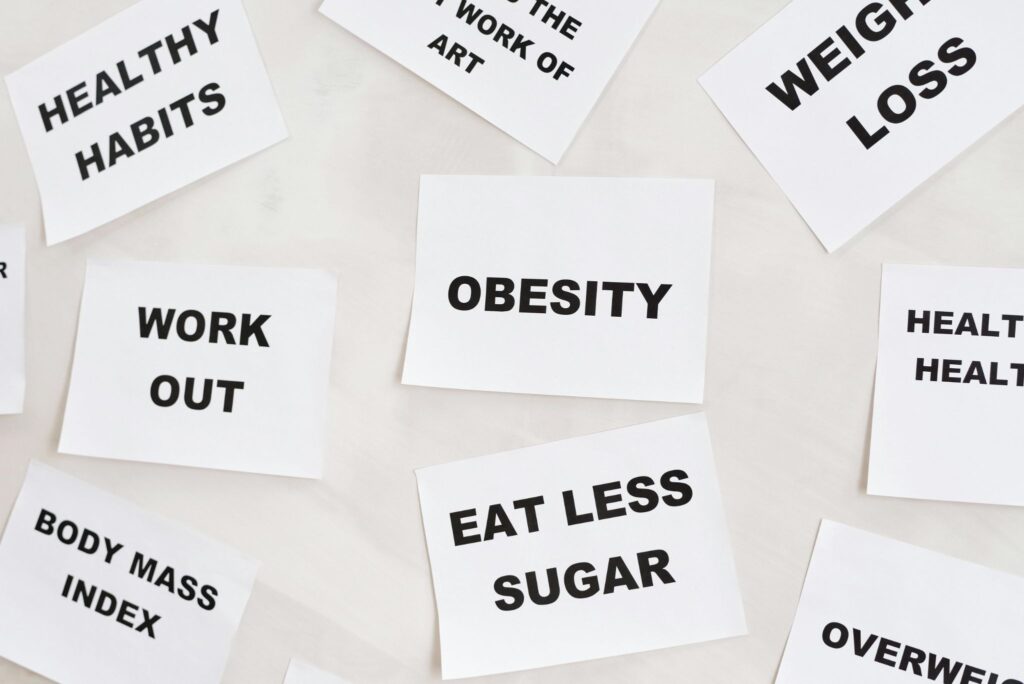
Most people want the same thing. They want to feel better, have more energy, and get through the day without constantly feeling tired or run-down, or, as we say in the modern world, “feeling lethargic”. The problem is that health can feel overwhelming when you start thinking about all the changes you are supposed to make at once.
The truth is that most of the best health habits are not complicated at all. They are simple, repeatable, and most of all, FREE!
I will try to cover as much ground as possible on how you can actually make a difference in how you feel day to day.
Table of Contents
| Start with water |
| Eat regular, balanced meals |
| Move your body every day |
| Sleep enough and sleep well |
| Manage stress simply |
| Get some sunlight and fresh air |
| Sit less when you can |
| Focus on protein and fiber |
| Drink less mindlessly |
| Keep food choices simple |
| Build a routine you can actually repeat |
| Take care of your mind too |
| Be consistent, not perfect |
| A simple daily health checklist |
- Start with water
This may seem basic, but it is one of the most commonly skipped habits. A lot of people walk around tired, foggy, and hungry when they are actually just not drinking enough water.
Dehydration directly affects your focus, energy, and even your mood.
You don’t need to drink a specific number of litres. Just keep a bottle nearby and filled, drink a glass when you wake up, and sip throughout the day. If plain water feels boring, add lemon to it. The goal is steady intake, not a perfect number.
Simple habit: Put a glass of water next to your bed. When you wake up the next day, drink it before you check your phone. That one change alone helps more people than you would think.
Read more: Water, drinks and hydration – NHS
- Eat regular, balanced meals
You do not need a perfect diet. You just need to give your body enough fuel and nutrients to actually function well. A balanced meal does not have to be complicated. It just needs a source of protein, something with fibre like a vegetable or fruit, and a filling carb or healthy fat.
Protein keeps you full and helps your body repair itself. Fibre keeps digestion moving and helps your blood sugar stay steadier throughout the day. Whole foods do both of these things much better than processed foods, not because processed foods are inherently harmful, but because they are usually less filling and less nutrient-rich.
You do not have to give up food you enjoy. Just make sure most of your meals are doing something useful for your body.
Read more: Healthy Eating Plate • The Nutrition Source

- Move your body every day.
No, this does not mean a gym session every morning; it just means some form of movement every day. A walk, active stretching, a short home workout, and even a few minutes of moving around the house count more than doing nothing.
Movement supports your heart, your joints, blood flow, mood, and energy. It also helps break up the long periods of sitting that most people deal with, which in turn makes your body feel stiff and your mind feel foggy.
If you work at a desk like most people, try getting up every half hour for a 2=3 minute walk. That alone can change how your body and mind feel by the end of the day.
Read more: Physical activity
4. Sleep enough and sleep well
Sleep might be the most underrated health habit of all. When you sleep poorly, everything else becomes harder. You feel hungrier, less focused, more irritable, less motivated, and your body cannot recover properly from the day.
A good sleep routine does not have to be fancy. Try going to bed and waking up roughly around the same time each day, even on weekends. Keep your bedroom dark, quiet, and cool. Cut back on screens at least a couple of hours before bed if you can, because light and noise keep your brain switched on when it needs to wind down.
If you want to feel better during the day, start by taking your nights more seriously. Sleep is not optional. It is the foundation on which everything else sits.
Read more: Mastering Sleep Hygiene: Your Path to Quality Sleep

5. Manage stress simply
Stress is a part of life. A bit of it is fine and even useful. The problem is when stress keeps running in the background all day without any release. That kind of stress drains your energy, disrupts your sleep, affects your appetite, and makes it harder to feel good even if nothing is technically wrong.
You do not need a complicated stress management system either. Some people find relief in a short walk, a few deep breaths, journaling, prayer, quiet time, or just talking to someone they trust. Others need to step away from their phone for a while. Whatever works for you, the important thing is to give your nervous system a break every single day.
The goal is not to eliminate stress. It is to keep it from ruining your whole day.
Read more: How a daily routine can boost your mental health | UCLA Health
6. Get some sunlight and fresh air
Spending a few minutes outside every day is one of the easiest things you can do for your health and one of the most unused. Morning sunlight helps set your body’s internal clock, which directly affects your sleep quality and energy levels. Fresh air and outdoor light also help people feel more alert and less mentally stuck.
You do not need to spend hours outside. A short walk in the morning or ten minutes in a sunny spot during the day is enough to feel the difference. And if you can combine sunlight with movement, even better.
Read more: Circadian Rhythms | National Institute of General Medical Sciences

7. Sit less when you can
Most of modern life happens sitting down, like work, eating, traveling, and most of all scrolling. After enough hours of it, your body feels it. Your back gets tight, your hips get stiff, your circulation slows down, and your energy drops.
The fix does not have to be dramatic. Stand up regularly, take a short walking break, stretch your back and hips during the day, and try not to stay in one position for too long. Treat movement as a small reset for your body, not an interruption to your day.
Read more: Physical Activity Basics and Your Health | Physical Activity Basics | CDC
8. Focus on Protein and Fiber
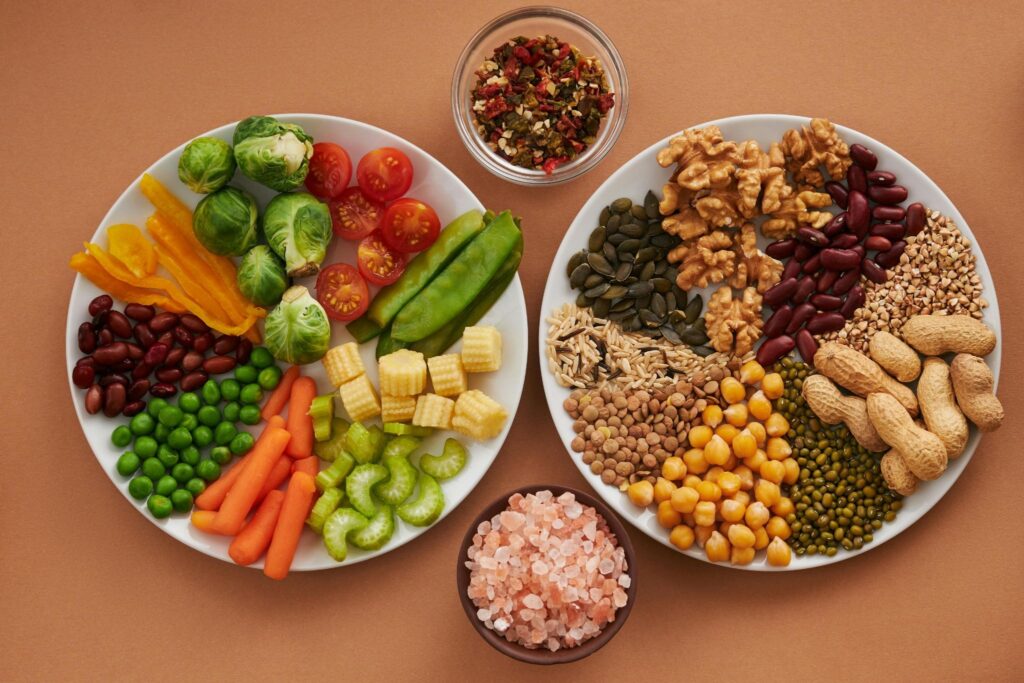
If you want one simple food rule that helps most people feel better, it is this: make sure your meals have enough protein and fibre. These two things together do more for your energy, fullness, and digestion than almost anything else.
Protein comes from foods like eggs, chicken, fish, yogurt, paneer, tofu, lentils, and beans. Fibre comes from veggies, fruit, whole grains, beans, and seeds. You do not need to count grams or track every meal. Just make sure both are usually present on your plate.
Readmore:
Protein: Protein • The Nutrition Source
Fiber: Fiber • The Nutrition Source
9. Drink less mindlessly
A lot of people consume more calories and sugar than they realize simply from what they drink. Sweetened coffee, energy drinks, fruit juice, soft drinks, and most of all alcohol. All add up quickly and can affect your energy, sleep, and appetite in ways that are easy to miss.
You do not need to cut everything off immediately. Just pay more attention. Water should be your main drink most of the time. Everything else can fit in occasionally, but should not be your primary source of hydration. Even replacing one sugar drink a day with water can make a noticeable difference over a few weeks.
Read more: Alcohol’s Effects on Health | National Institute on Alcohol Abuse and Alcoholism (NIAAA)

10. Keep Food Choices Simple
You do not have to prepare meals every Sunday or need a specific meal plan. A lot of people actually eat better when they simply stop overthinking it. Simple meals that include protein, a vegetable or fruit, a filling carb, and a healthy fat are enough for most people most of the time.
This approach works because it is flexible, repeatable, and mostly realistic for you to follow easily. You do not have to be a chef or have a full fridge all the time. You just need to cover a few basics that you can combine in different ways.
11. Limit ultra-processed food most of the time
We all know what ultra-processed foods are: heavily manufactured products that often contain high amounts of sugar, salt, artificial flavours, and, most importantly, oil, which can be very unhealthy for your heart. They are designed in a way so you can eat a lot without realising, and as mentioned previously, since these foods do not contain protein, they do not keep you full for very long, mostly empty calories.
You do not need to avoid them completely. But if they make up most of what you eat, it becomes much harder to feel energetic and well-nourished. A good habit is to make sure most of your daily meals come from simple, recognizable, natural ingredients. The occasional packet of biscuits or takeaway is not a problem, but if you can avoid it, that would be much better. It is the pattern that matters.

12. Build a routine you can actually repeat
One of the biggest mistakes I see people make is trying to change everything at once. They start with a completely new diet, a new workout plan, a new sleep schedule, and a new morning routine all in the same week. Then their body cannot cope, it feels too hard and they quit. A simple routine that you can actually repeat every day is worth far more than a perfect plan you cannot sustain.
Read more: How a daily routine can boost your mental health | UCLA Health
Example of a simple daily routine:
Drink water when you wake up, go for a short walk. Eat a balanced first meal. Take a few-minute break and move throughout the day. Wind down the evening with less screen time. Sleep roughly around the same time each night. That is genuinely good enough to build on.
13. Take care of your mind too
Physical and mental health are not separate things. When your mind feels constantly overwhelmed or switched on, your body often feels it too. That is why daily health should include small things that support how you feel mentally as well.
Again, it does not have to be complicated. It might be gratitude, which many people miss out on, time with people you love, a hobby, some quiet time, prayer, or simply doing one thing each day that makes you feel like a person rather than just a living to-do list. When your mind has a bit of breathing room, it becomes easier to stick to every other healthy habit.
Read more: Creating healthy routines | Mental Health America

14. Be consistent, not perfect
This is probably the most important point of everything I have covered here. Health does not improve from one perfect week; it improves from showing up consistently over a long period of time. One bad day does not undo your progress, and one great day does not create lasting change.
The goal is to make healthy habits feel normal enough to fit naturally into your daily life. Some days will be harder than others. You will miss things, and that is completely fine. What matters most is returning to the basics again and again.
Your daily simple health checklist
Just use the checklist below as a daily reminder, copy it to your phone or set it as your wallpaper.
| Drink water throughout the day | Eat balanced meals with protein and fiber |
| Move your body in some way | Sit less and take movement breaks |
| Sleep at a consistent time | Manage stress with a simple outlet |
| Get some sunlight or fresh air | Keep most meals simple and real |
| Drink water more than anything else | Be consistent, not perfect |
Final thought
Feeling healthier does not require anything dramatic. It comes from eating in a way that gives you energy, moving your body regularly, getting enough sleep, managing stress, and building a routine you can actually stick to.
Most habits may sound ordinary. But ordinary habits, done consistently, are what actually change how you feel over time. Health is not built in one day. It is built on small things you repeat every day.
A healthier life is built through consistent actions, mindful choices, and a commitment to growth. Continue your wellness journey with OneCoreHub and discover resources designed to help you live well every day.
Frequently Asked Questions
This article is for general education and is not a substitute for personalized medical advice. Small habit changes work well for most people, but if you have an existing health condition, it’s worth checking with a doctor about which habits are the right priority for you