High blood pressure, or hypertension, is one of the most common health problems in the world. Many people do not feel any symptoms, but over time it can damage blood vessels, strain the heart, and raise the risk of heart attack, stroke, and kidney disease. The good news is that most cases of high blood pressure can be improved with lifestyle changes, even if you also need medication.
Understanding what causes high blood pressure and which habits influence it can help you take control of your numbers without relying only on pills.
Table of Contents:
| What is high blood pressure? |
| What causes high blood pressure? |
| How to lower high blood pressure naturally |
| When to see a doctor |
What is high blood pressure?
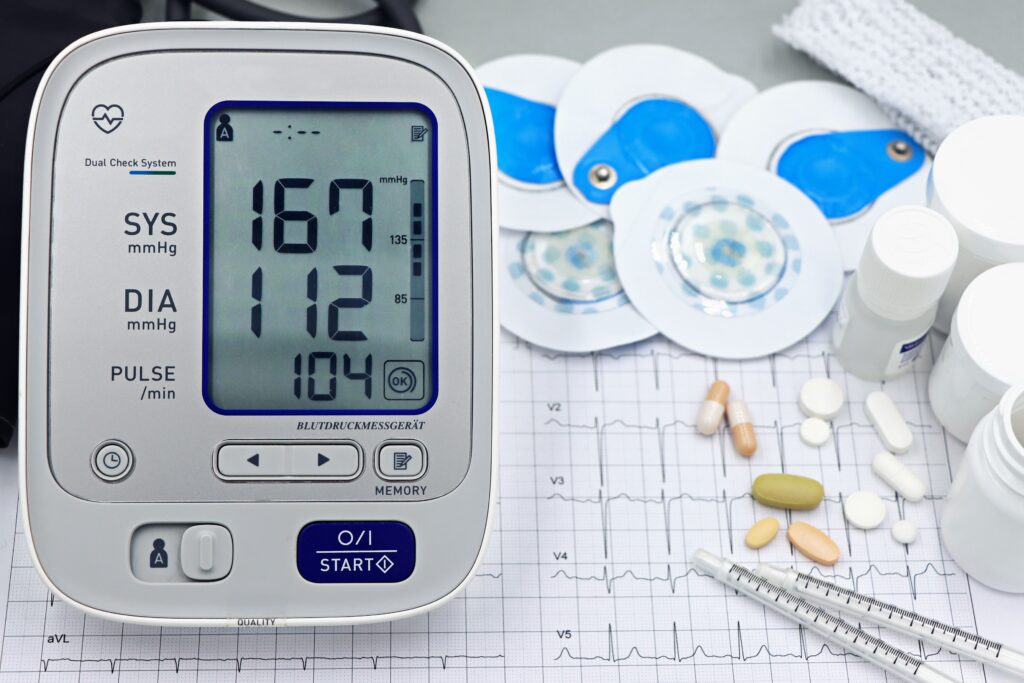
Blood pressure is the force of blood pushing against the walls of your arteries. It is recorded as two numbers: systolic (when the heart beats) over diastolic (when the heart rests). A normal reading is usually around 120 over 80. When readings stay above 130 over 80 most of the time, doctors consider it high blood pressure.
High blood pressure is often called a “silent” problem because it may not cause obvious symptoms. Some people notice headaches, dizziness, or vision changes only when it is very high. That is why regular checks are important, especially if you have risk factors.
Read More: High blood pressure in adults – hypertension
What causes high blood pressure?
For most people, there is no single cause. Instead, many factors work together over time. This is called primary or essential hypertension. In a smaller number of cases, high blood pressure is caused by another medical condition or a medication. This is called secondary hypertension.
Primary hypertension: common causes and risk factors
The most common causes and risk factors for primary hypertension include:
Too much salt in the diet. High salt intake raises blood pressure in many people, especially those who are salt-sensitive. Processed foods, packaged snacks, restaurant meals, and pickled items often contain a lot of hidden salt.
Low potassium intake. Potassium helps balance sodium and relax blood vessel walls. Diets low in fruits, vegetables, and whole foods may lack enough potassium, which can push blood pressure up.
Overweight and excess belly fat. Extra weight increases the workload on the heart and affects hormones that regulate blood pressure. Fat around the waist is especially linked with higher readings.
Lack of physical activity. A sedentary lifestyle makes blood vessels less flexible and can contribute to weight gain and insulin resistance, all of which raise blood pressure.
Too much alcohol. Regular heavy drinking can raise blood pressure and interfere with medications. Even moderate drinking can affect some people more than others.
Stress and poor sleep. Chronic stress keeps the body in a “fight or flight” mode, which can raise blood pressure. Poor sleep, especially sleep apnea, is strongly linked with hypertension.
Age and family history. Blood pressure tends to rise with age. If close relatives have hypertension, your risk is higher due to genetics and shared habits.
Smoking and tobacco use. Nicotine narrows blood vessels and raises heart rate, which increases blood pressure and damages arteries over time.
Secondary hypertension: when another condition is the cause
In some cases, high blood pressure is caused by an underlying problem such as:
- Kidney disease or narrowed kidney arteries
- Hormone disorders like thyroid disease, Cushing’s syndrome, or adrenal tumors
- Obstructive sleep apnea
- Certain medications, including birth control pills, decongestants, NSAIDs, some antidepressants, and steroids
- Illegal drugs like cocaine and amphetamines
If your blood pressure is suddenly very high, starts at a young age, or does not respond to treatment, doctors may check for these secondary causes.
How to lower high blood pressure naturally
Lifestyle changes can make a big difference in blood pressure. Research backs this up with real numbers, not just general encouragement.
1. Eat a blood-pressure-friendly diet
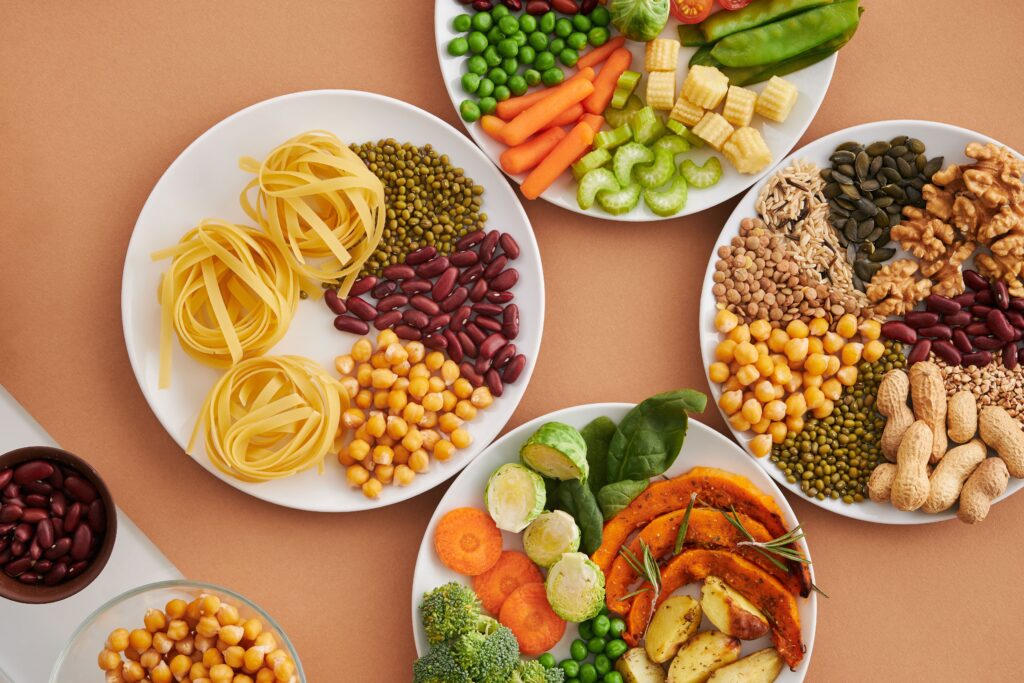
A diet rich in vegetables, fruits, whole grains, legumes, nuts, seeds, and low-fat dairy is linked with lower blood pressure. This pattern is the DASH diet, and it’s one of the most studied dietary approaches in medicine. The original DASH trial found that combining the diet with sodium reduction lowered systolic blood pressure by 11.5 mmHg in participants with hypertension, compared with a typical high-sodium diet (New England Journal of Medicine). A broader meta-analysis of 20 trials found the DASH diet reduced systolic blood pressure by an average of 6.74 mmHg and diastolic by 3.54 mmHg across a range of study populations (PubMed, systematic review and meta-analysis). That’s a meaningful drop for a change that involves no medication at all.
Practical steps:
- Fill half your plate with vegetables and fruits.
- Choose whole grains like brown rice, whole wheat roti, oats, and millets.
- Include protein from dal, beans, eggs, fish, or lean meat.
- Limit processed foods, packaged snacks, and fast food.
- Reduce salt in cooking and at the table. Aim for less than one teaspoon of salt per day if your doctor advises it.
2. Increase potassium-rich foods
Potassium helps the body excrete sodium and relaxes blood vessel walls. Good sources include bananas, oranges, coconut water, spinach, sweet potato, tomatoes, and beans. If you have kidney disease or are on certain medications, ask your doctor before increasing potassium.
3. Be active most days
Regular physical activity strengthens the heart, improves blood vessel function, and helps with weight control. A meta-analysis of 34 trials found that blood pressure dropped in a dose-dependent way with more aerobic exercise, with the largest reduction, about 7.2 mmHg systolic and 5.6 mmHg diastolic, seen at 150 minutes of aerobic activity per week (Hypertension Research). That number lines up closely with general public health guidance, which is a good sign the recommendation is grounded in something real rather than a round number someone picked.

Aim for:
- At least 150 minutes of moderate activity per week, such as brisk walking, cycling, or swimming.
- Strength exercises two days a week, using body weight, bands, or light weights.
- Short movement breaks if you sit for long periods.
4. Lose excess weight
If you are overweight, losing even 5 to 10 percent of your body weight can lower blood pressure. Reducing belly fat is especially helpful because it is linked with higher cardiovascular risk.
Focus on slow, steady changes rather than crash diets. A combination of better food choices and regular movement works best over time.
5. Limit alcohol and avoid smoking
Cutting back on alcohol can lower blood pressure and improve sleep. If you smoke or use tobacco, quitting is one of the most powerful steps you can take for your heart and blood vessels.
6. Manage stress and improve sleep
Chronic stress and poor sleep keep blood pressure elevated. Techniques such as deep breathing, meditation, yoga, and mindfulness can help calm the nervous system.
Good sleep habits include:
- Going to bed and waking up at consistent times
- Avoiding screens before bed
- Keeping the bedroom dark, cool, and quiet
- Talking to a doctor if you snore loudly or feel very tired during the day, as these can be signs of sleep apnea
7. Watch caffeine and stay hydrated
Too much caffeine can raise blood pressure in some people, especially if you are sensitive. If you drink a lot of coffee, tea, or energy drinks, consider reducing gradually. Staying well hydrated with water supports overall cardiovascular health.
Read More: 10 ways to manage high blood pressure without medicine
When to see a doctor
Lifestyle changes are powerful, but they do not replace medical care for everyone. You should see a doctor if:
- Your blood pressure is consistently high on home readings
- You have symptoms like severe headache, chest pain, shortness of breath, or vision changes
- You have other conditions such as diabetes, kidney disease, or heart disease
- You are pregnant or planning pregnancy
Some people will need medication along with lifestyle changes. The goal is to protect your heart, brain, and kidneys in the long term.
FAQs
1. Can high blood pressure be cured completely?
Primary hypertension is usually a long-term condition, but it can often be controlled very well with lifestyle changes and, if needed, medication. Some cases of secondary hypertension improve when the underlying cause is treated.
2. How much can lifestyle changes lower blood pressure?
Healthy diet, exercise, weight loss, and stress management can lower systolic blood pressure by 5 to 20 points in many people, depending on starting levels and consistency.
3. Is salt the only dietary cause of high blood pressure?
No. Salt is important, but low potassium, excess calories, alcohol, and ultra-processed foods also play a role. Overall diet quality matters more than any single nutrient.
4. Can young people get high blood pressure?
Yes. Rising rates of obesity, stress, poor sleep, and unhealthy diets mean more young adults are developing hypertension. Family history and secondary causes are also relevant in younger age groups.
5. How often should I check my blood pressure at home?
If you have high blood pressure or risk factors, checking at home a few times a week can help track progress. Use a validated device, sit quietly for five minutes before measuring, and record your readings to share with your doctor.
This article is for general education and is not a substitute for personalized medical advice. High blood pressure often has no symptoms, so if you haven’t had your blood pressure checked recently, or if you have risk factors like a family history of hypertension, it’s worth talking to a doctor about screening, monitoring, and whether medication is appropriate alongside lifestyle changes.