Most people just want a flatter stomach. But understanding what belly fat really is can change how you approach it forever.
By- Shivam Dutt Tiwari
| Table of Contents |
| The Two Types of Belly Fat |
| What causes belly fat to build up? |
| The Health Risks of Too Much Belly Fat |
| How to Check Your Own Belly Fat Levels |
| Proven Ways to Lose It for Good |
| Proven Ways to Lose Belly Fat for Good |
Ever stared at your midsection and wondered why it is so stubborn?
I spent time digging through the research so you don’t have to.
The Two Types of Belly Fat
Think of your belly like an onion with 2 layers
1. Subcutaneous fat
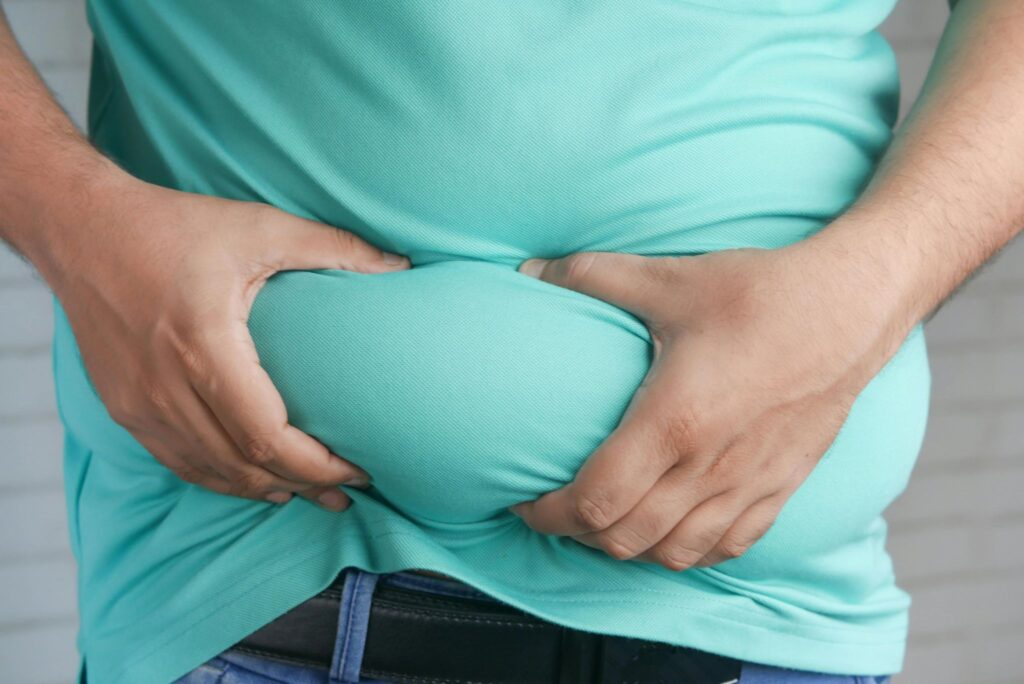
This is the soft, squishy fat you can actually grab with your fingers. It sits just under your skin and collects around your belly, hips, thighs, and bottom. It is very visible, which is why most people focus on it. But it is actually the less dangerous of the two.
A little bit of Subcutaneous fat is fine, even helpful for cushioning and energy storage, but too much is still a sign that you are carrying excess fat.
2. Visceral fat
This fat hides inside your belly, wrapping itself around organs like the liver, kidneys, pancreas, intestine, and others. You cannot see it or feel it from the inside. Some slim-looking people carry a lot of it without even knowing.
Visceral fat is not just stored energy. It is an active issue that pumps out hormones and causes inflammation throughout the body.
This is what doctors worry about the most: this type of fat causes problems behind the scenes, even if you feel fine from the outside.
Read more: https://health.clevelandclinic.org/visceral-fat-vs-subcutaneous-fat
So, what causes belly fat to build up?
There is no single cause; it is usually a mix of several things, where some are in your control, and some are not. Let’s discuss these, and you tell me which is which.
Common Causes:
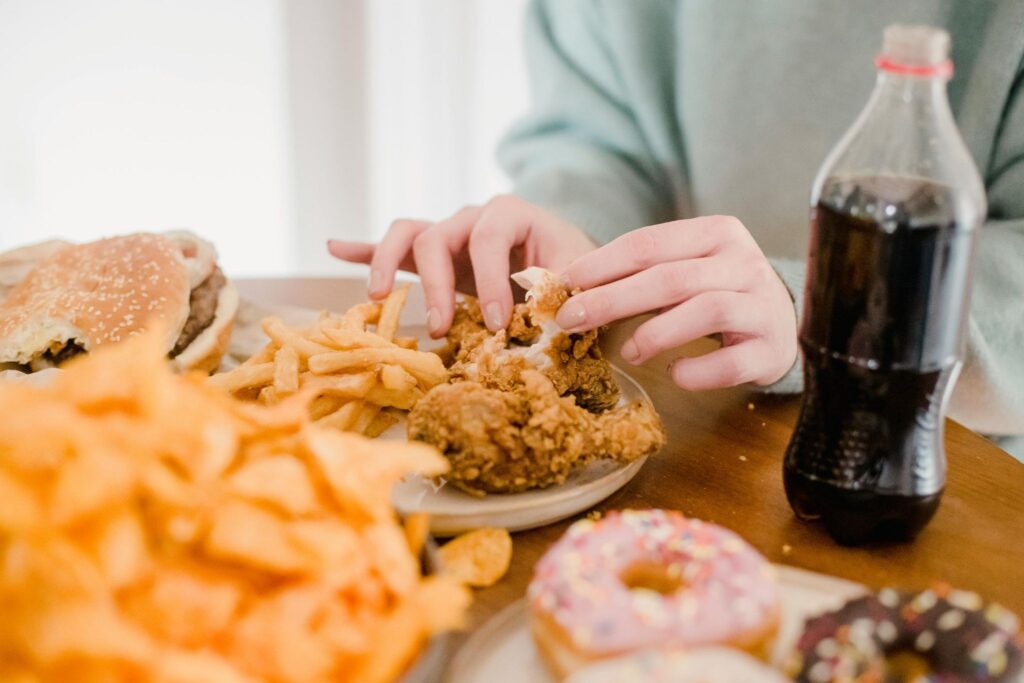
Calorie Surplus: When you eat more than you burn, especially from sugar-based drinks, fast food, and processed snacks, your body stores extra as fat, and the easiest target is your belly, so a lot of it ends up there.
Aging: As you age, obviously, your metabolism slows down, and you start losing muscle. This makes it easier to gain fat than to lose it, even if your diet remains the same.
Hormonal Changes: For Females going through menopause, a drop in estrogen causes the body to start storing more fat in the belly rather than hips or thighs.
Stress: When you are stressed. Your body releases cortisol. Too much cortisol tells your body to store fat, and, again, the easiest target area for excess fat is the belly.
Inactivity or Poor Diet: Low muscle mass, no cardio, and diets high in fried food, refined carbs, and sugar fuel both types of fats.
Genetics: Some people are prone to storing more fat than others due to their genetics, which does not mean one cannot change things, but yes, they have to put more effort than the rest.
The Health Risks of Too Much Belly Fat
Read more: https://www.webmd.com/obesity/features/the-risks-of-belly-fat
This is where things get serious. When visceral fat builds up too much, it starts to interfere with how your body works.
Here’s what excess brings:
| Risk | What it means |
| Type 2 diabetes | Blood sugar stays too high |
| Heart disease | Problems with your heart’s function |
| High blood pressure | Blood pushes too hard on vessels |
| Stroke | Blocked or burst brain blood flow |
| Kidney disease | Kidneys can’t filter blood properly |
| Fatty liver disease | Fat clogs your liver |
| Gallbladder issues | Gallstones and inflammation |
| Osteoarthritis | Joint pain, swelling, stiffness |
| Sleep apnea | Breathing stops and starts at night |
| Certain cancers | Higher risk from extra fat |
Some subcutaneous fat can actually protect you, but the problem is excess belly fat, especially Visceral, which creates a state of inflammation and hormone imbalance that increases the risks of these conditions.
The good news is Visceral fat is often easier to lose than the fat you can pinch. With steady, consistent efforts, most people see results within 2 or 3 months.
How to Check Your Own Belly Fat Levels
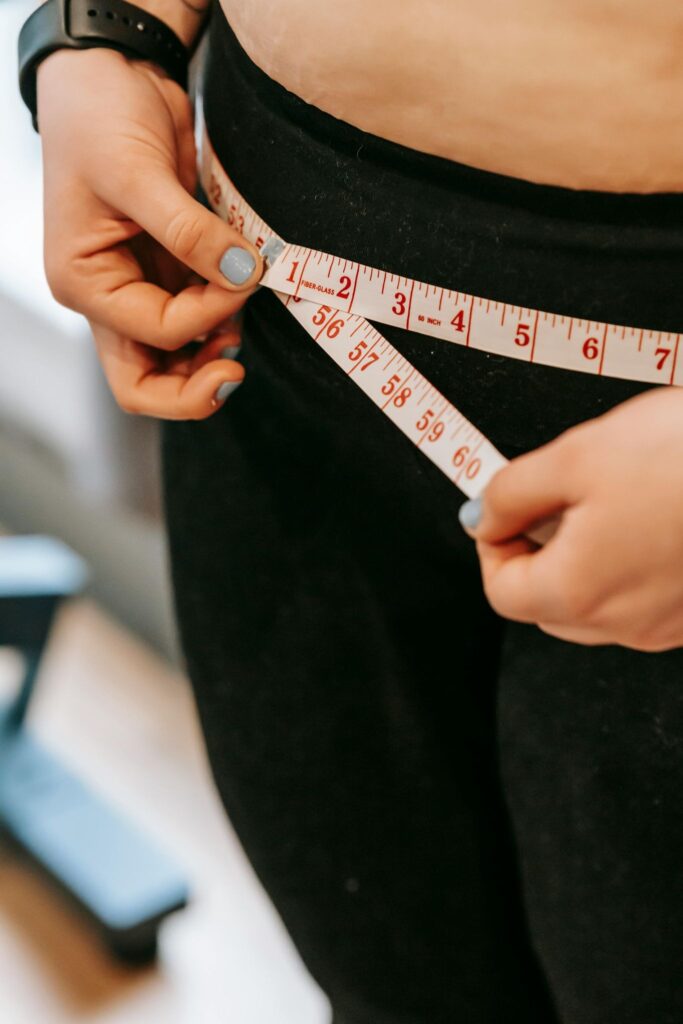
You do not need fancy equipment. A simple measuring tape can give you a useful idea of where you stand.
| Metric | Women | Men | What it means |
| Waist size | >35 inches | >40 inches | Visceral fat risk zone |
| Waist-to-hip ratio | >0.85 | >0.90 | Abdominal obesity signal |
| BMI | >30 | >30 | Likely higher visceral fat |
| Waist-to-height ratio | >0.5 | >0.5 | Metabolic disease red flag |
One thing to note here that these numbers do not tell the whole story, but if any metric is in the risky range, it is worth taking action sooner or later.
Proven Ways to Lose Belly Fat for Good
Read more: https://health.clevelandclinic.org/tips-for-losing-belly-fat
You do not need anything extreme. The most effective approach is simple and sustainable.
- Combine Cardio and strength training: Combining cardio like jogging, walking, or cycling with strength training works better than either one alone. Start slowly for at least 30 min a day for 5 days a week, with consistency, this will be a big contributor in the long run. Mark my words.
- Eat better, not “Perfect”: You do not need a complicated diet,
Focus on eating more veggies, fruits, whole grains, and lean protein. And less of sugary drinks, white breads, pastry, and fast foods.
Basic daily simple swaps over time really add up. Well-researched diets like the Mediterranean diet or the DASH diet can be helpful, especially for belly fat and overall health. Intermittent fasting, under guidance, may also help burn stored fat, or you can do trial and error and see what works best for you, which is the most practiced way. - Get Better Sleep: Poor sleep is one of the sneaky causes of belly fat, and a lot of people overlook it. When you are sleep deprived, your hunger hormone goes haywire, and you end up craving high-calorie junk food. Lack of sleep can also raise cortisol levels, which can lead to belly fat. So put down the phone instead of saying one more short-form video won’t hurt, but it will in the long run, trust me.
- Lower your cortisol: If you are constantly stressed, your body keeps producing cortisol, and that makes belly fat harder to lose. Finding ways to decompress stress is not a luxury, as everyone is stressed constantly these days. It is actually part of losing weight.
Helpful options include: Exercise, Time in nature, Meditating or deep breathing, Picking up a relaxing hobby - Cut back on alcohol: Alcohol is packed with empty calories, and it adds extra strain on your liver, which plays a big role in how your body processes and burns fat. You do not have to quit entirely, but cutting back slowly can make a big noticeable difference.
- Being active in general: Build Muscle and keep your metabolism active by staying on your feet, taking the stairs, and avoiding sitting for long hours. Even a small increase in daily movement can support fat loss over time.
Conditions that make belly fat worse.
Belly fat goes hand in hand with:
Obesity, Type 2 diabetes, High cholesterol, atherosclerosis, Metabolic syndrome
Some less common conditions can push visceral fat higher, such as:
Lipodystrophies, Cushing syndrome, Hypothyroidism, Metabolically-dysfunction-associated steatohepatitis (fatty liver disease).
If you persists symptions like unexplained weight gain, extreme fatigue, or ongoing belly discomfort, talk to a doctor. They can order blood work or imaging tests to get a clearer picture.
Bottom Line
Belly fat, especially the deep visceral kind, is worth paying attention to not because of how it looks, but because of the real harm it can cause to your body over time.
The great part is that your body actually responds very well when you treat it right. Move more, eat better, sleep well, and most of all, stress less. You do not have to do it all in one go. Pick one thing at a time, build a habit around it, and then add another. Small changes made consistently will overperform the dramatic effort that does not last.
Your body is on your side. Give it a chance, and it will show you what it can do.
Understanding your body is the first step towards improving your health. You can explore science-backed articles on OneCoreHub and make informed decisions that help you create a lifestyle that supports your overall health.
Frequently Asked Questions
This article is for general education and is not a substitute for personalized medical advice. Belly fat can sometimes be linked to underlying hormonal or metabolic conditions, so if diet and exercise changes aren’t making a difference, it’s worth talking to a doctor rather than assuming it’s purely a lifestyle issue.