You do not need supplements, calorie counting, or a gym membership. Sometimes eating better is as simple as knowing what to eat together.
Here is something most people do not know: your body does not absorb all nutrients equally. Some nutrients need a helper to get from your plate into your bloodstream. Eat them alone, and a lot of that goodness just passes through. Eat them with the right partner, and your body absorbs dramatically more.
Scientists have found that pairing certain foods can increase nutrient absorption by up to 2000 percent. Not by eating more. Just by eating smarter. This guide covers seven science-backed food pairings that work for everyone, whether you eat meat or not, whether you cook elaborate meals or keep things simple.
Table of contents
| Why food pairing actually matters |
| 7 food pairings backed by science |
| Three simple rules for any diet |
| Indian meals that already do this perfectly |
| What to start with today |
Why food pairing actually matters
Think of nutrients like locks and keys. Many vitamins and minerals need a specific companion to unlock their full potential in your body. Without that companion, your body either absorbs very little of the nutrient or passes it through without using it at all.
Food pairing creates what scientists call a synergistic effect, where the combined nutritional benefit is greater than either food would provide on its own. The result is that you get more value out of the same meals you are already eating, with no extra effort required.
“You can get more nutrition from the meals you already eat simply by thinking about what you combine. No supplements needed. Just a little know-how.”
Read More: https://www.nationalgeographic.com/health/article/food-pairings-nutrition-benefits
7 food pairings backed by science
Pairing 1
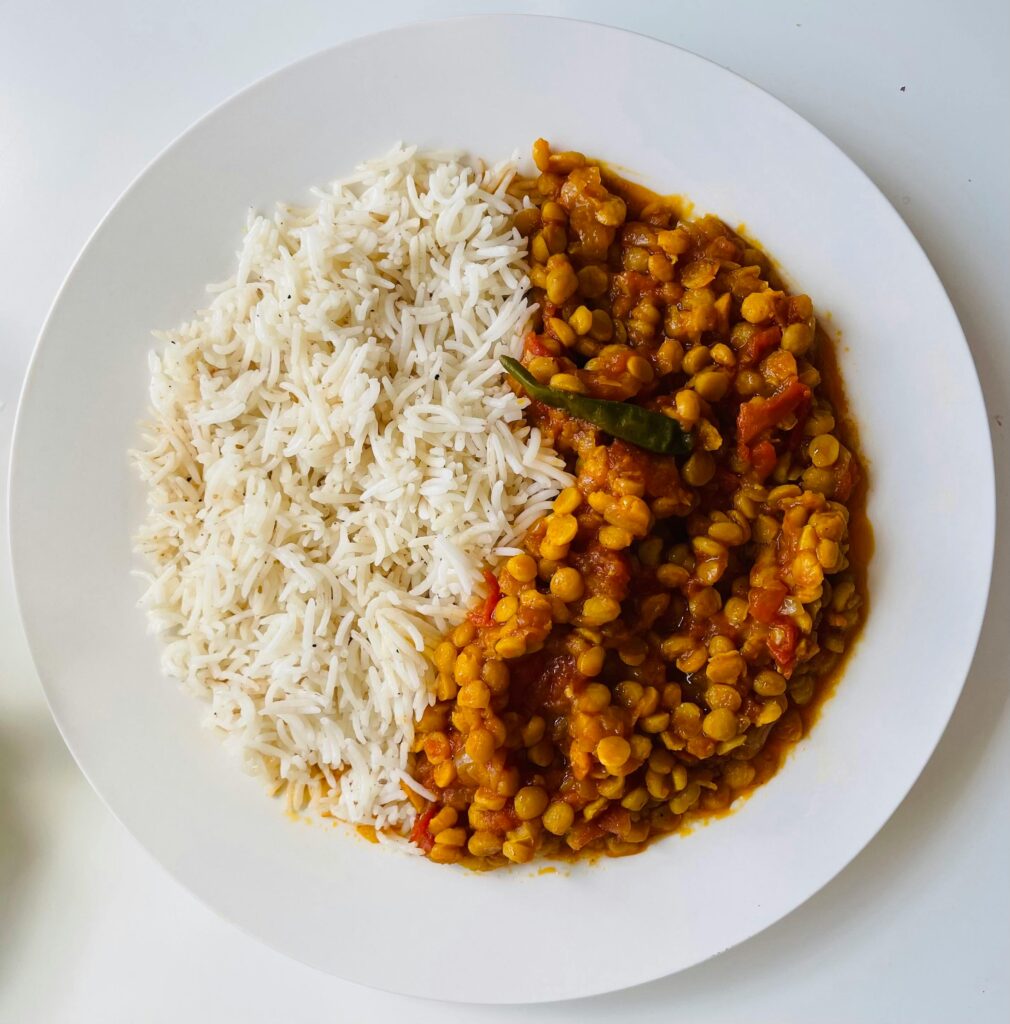
Lentils and Rice – Complete Protein
Most plant proteins are incomplete, meaning they are missing one or more of the essential amino acids your body cannot make on its own. Lentils are rich in lysine but low in methionine. Rice has methionine but lacks lysine. Put them together, and you get all nine essential amino acids in one meal. That is a complete protein without any meat required.
Vegetarian: Masoor dal with basmati rice
Non-veg: Chicken curry with brown rice
Why it matters: Complete proteins support muscle maintenance, immune function, and nutrient transport. A 2022 study confirmed that combining cooked lentils with steamed rice increases protein synthesis in healthy adults.
Read More: https://pubmed.ncbi.nlm.nih.gov/35218191/
Pairing 2
Spinach and Citrus – Iron Absorption Boost
Plant-based iron, called non-heme iron, is absorbed at roughly 17 percent compared to 25 percent for meat-based iron. That gap is significant, especially for vegetarians. Vitamin C changes that. It converts non-heme iron into a soluble form that your body can use much more efficiently. Squeezing lemon juice over spinach or adding orange slices to a green salad can dramatically increase how much iron actually makes it into your bloodstream.
Vegetarian: Spinach salad with lemon juice and bell peppers
Non-veg: Sauteed spinach with grilled chicken and orange slices
Why it matters: Better iron absorption means better energy levels, healthier red blood cells, and reduced fatigue. Especially important for women and vegetarians.
Pairing 3
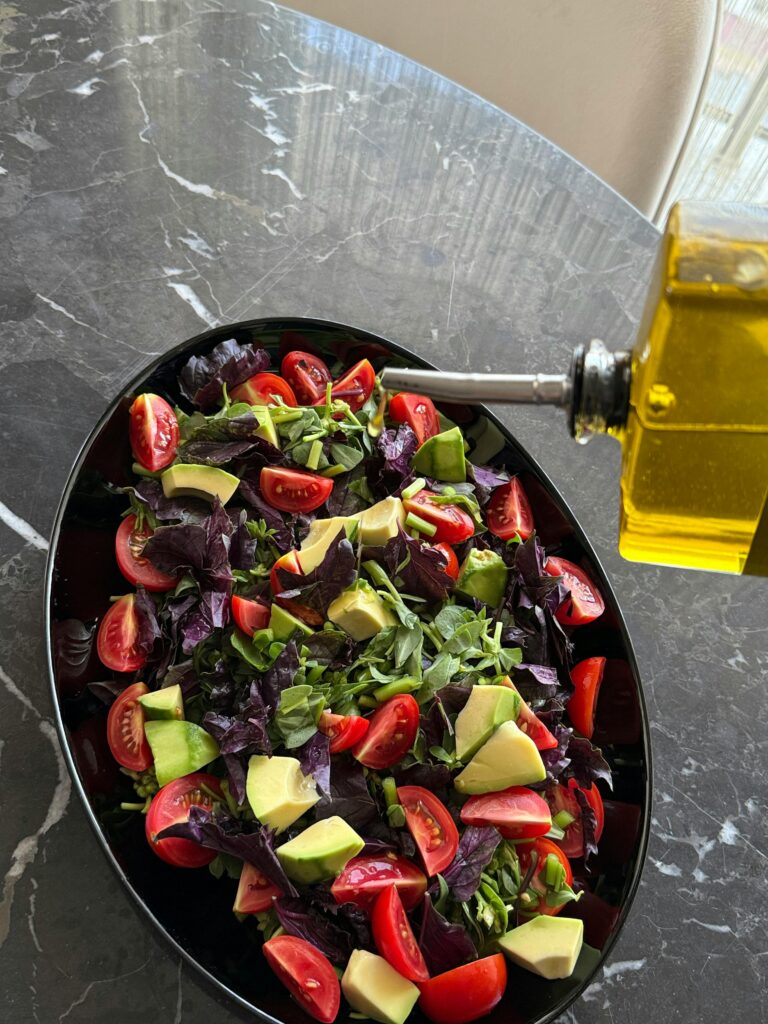
Carrots or Tomatoes with Olive Oil – Vitamin A and Lycopene Boost
Beta-carotene in carrots and lycopene in tomatoes are fat-soluble nutrients. Your body simply cannot absorb them without fat present. Eating raw carrots or a dry tomato salad means most of the benefits go to waste. Adding olive oil, avocado, or even a handful of nuts to the same meal unlocks these nutrients fully. Stir-fried carrots have 75 percent beta-carotene bioavailability compared to just 11 percent for raw carrots.
Vegetarian: Tomato sauce cooked with olive oil, stir-fried carrots
Non-veg: Grilled chicken with roasted tomatoes drizzled in olive oil
Why it matters: These nutrients support eyesight, reduce stroke risk, and may lower prostate cancer risk. Cooking tomatoes with olive oil actually triples their lycopene compared to eating them raw.
Pairing 4
Turmeric and Black Pepper – 2000 Percent More Curcumin
Turmeric is one of the most powerful anti-inflammatory and antioxidant foods available. The active compound is called curcumin. The problem is that your body metabolizes it so quickly that very little of it makes it into your system. Black pepper changes everything. It contains a compound called piperine that slows curcumin metabolism and allows your body to absorb far more of it before it breaks down.
Vegetarian: Golden milk with turmeric and black pepper, vegetable curry
Non-veg: Chicken curry with turmeric and freshly ground black pepper
The research: One study found that adding piperine increases curcumin bioavailability by 2000 percent. A pinch of black pepper is all it takes. Most Indian curries already do this naturally.
Pairing 5
Cereal and Milk – Calcium and Vitamin D for Strong Bones
Many fortified breakfast cereals contain vitamin D, and milk contains calcium. These two nutrients are a classic team. Vitamin D helps your intestines absorb calcium from the food you eat into your bloodstream. Without vitamin D, calcium largely passes through without being absorbed properly. Together, they keep bones dense and strong, support muscle function, and help nerves work correctly.
Works for everyone: Fortified cereal with milk
Why it matters: Strong bones throughout life reduce fracture risk as you age. This is one of the simplest pairings to add to your morning without any extra effort.
Pairing 6
Apples and Peanut Butter – The Satiety Trio
This pairing works because it hits the three things that keep you full: fiber from the apple, protein from the peanut butter, and healthy fat from the peanut butter. When all three are present in a meal or snack, digestion slows down, your gut takes longer to process everything, and the urge to reach for another snack fades. Fruit alone spikes and then drops energy quickly. This combination keeps things steady.
Works for everyone: Apple slices with peanut butter
Why it matters: Reduces unnecessary snacking and keeps blood sugar more stable between meals. One of the easiest swaps for people who reach for processed snacks during the day.
Pairing 7
Beans and Chicken or Fish – Enhanced Iron Intake
Putting plant-based iron and meat-based iron on the same plate is a smart move. Heme iron from meat helps your body absorb non-heme iron from plants more efficiently. This is particularly useful if you are trying to prevent or address iron deficiency, as it maximises the total iron you pull from a single meal.
Non-veg: Chicken rajma, Tuscan fish with white beans
Why it matters: Iron deficiency is one of the most common nutritional deficiencies worldwide. This pairing helps without requiring any change to your overall diet.
Three simple rules for any diet
You do not need to memorize all seven pairings. If you remember just these three principles, you will automatically get most of the benefit.
| RULE | WHAT TO DO | EASY EXAMPLE |
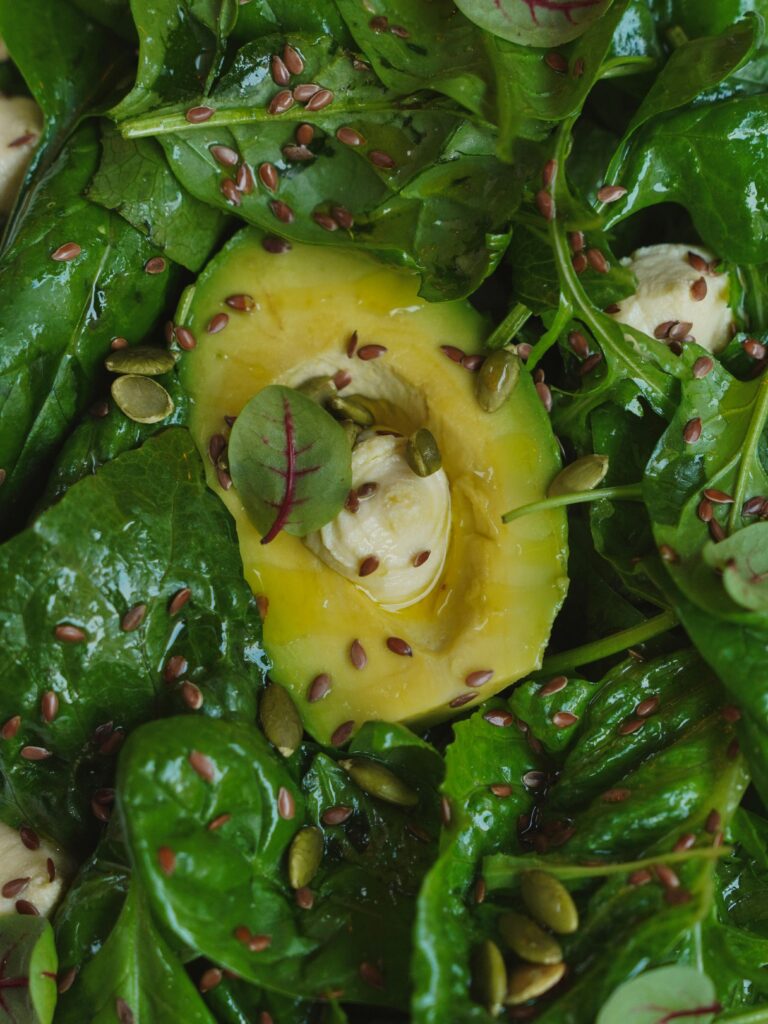
| Add fat to colorful vegetables | Pair carrots, tomatoes, and leafy veggies with olive oil, avocados, or nuts | Spinach salad with olive oil dressing |
| Add vitamin C with Plant Iron | Squeeze lemon on greens, add bell peppers to hummus or dal | Lentils with lemon juice |
| Combine complementary proteins | Eat grains with legumes in the same meal | Dal and rice, rajma and roti |
Good news about timing
You do not need to eat paired foods at the same time. Dietitians at Harvard-affiliated Brigham and Women’s Hospital confirm that eating complementary foods throughout the day continues to provide meaningful benefits. Pairing just makes it better, not mandatory.
Read More: https://www.health.harvard.edu/diet-and-nutrition/nutritional-power-couples
Indian meals that already do this perfectly
The beautiful thing about traditional Indian cooking is that it has been following these principles for centuries without calling them food pairings. If you already eat these meals regularly, you are already ahead.
Dal and Rice: Complete protein with all 9 amino acids
Rajma and Roti: Complete protein from legumes and wheat
Chana and Chawal: Complete protein, chickpeas, and rice
Dosa and Sambar: Fermented complete protein combination
Turmeric curry: Maximum curcumin with black pepper already included
Palak with nimbu: Spinach with lemon for iron absorption
You were probably already doing this naturally. Now you know exactly why it works.
What to start with today
Pick one pairing and try it at your next meal. You do not need to change your whole diet. Just one small addition can make a meaningful difference in what your body actually absorbs.
- Add lemon juice to your next spinach dish
- Add a pinch of black pepper to turmeric
- Drizzle olive oil over tomatoes or carrots
- Swap a snack for an apple and peanut butter
- Have dal and rice together at lunch
- Add fortified cereal with milk at breakfast
Bottom line
Eating better does not require perfection. It does not require expensive supplements or complicated meal plans. A few smart pairings applied consistently can boost the nutritional value of your everyday meals significantly. Start with one today and build from there.
Good nutrition does not have to be complicated. By understanding how foods work together, you can get more from every meal and make healthier choices with confidence. Explore more wellness insights from OneCoreHub and discover practical ways to make everyday choices work better for your health.
Frequently asked questions
This article is for general education and is not a substitute for personalized nutritional advice. If you’re managing a specific health condition or nutrient deficiency, it’s worth talking to a doctor or registered dietitian about what pairings and quantities are right for you.