You cannot control everything in life. But what you eat and how much you move are two things almost anyone can change, and those two things change everything else.
Most people know they should eat better and move more. The tricky part is understanding why it actually matters beyond just losing weight or looking a certain way. Because the benefits of keeping your health in check go much deeper than the mirror. They show up in your energy, your mood, your work, your relationships, your bank account, and eventually your independence as you age.
Here we will try to cover all of it in plain language, with a simple checklist at the end. You can start using it this week.
Table of contents
| What keeping your health in check actually means |
| Benefits you will notice fast |
| How it affects your mood and brain |
| Strength, mobility, and everyday life |
| Long-term disease prevention and living longer |
| Immune health and recovery |
| Mental, social, and financial benefits |
| How diet and movement work together |
| Common barriers and simple fixes |
| Your starter checklist for this week |
What keeping your health in check actually means
This is not about being perfect or punishing yourself for bad days. Keeping your health in check comes down to two practical things:
what you eat, meaning the quality, portions, and timing of your food, and how physically active you are, meaning daily movement plus some structured exercise that includes both cardio and strength work.
Those two pillars together create the conditions for feeling good today and staying resilient over the long run. Nothing fancy required.
Health is not about being perfect. It is about making good decisions more often than bad ones, and letting those decisions compound over time.
Benefits you will notice fast
You do not have to wait months to feel a difference. Some of the most noticeable benefits show up within days of making simple changes.
When you swap out heavily processed meals for more balanced ones and add a bit more movement to your day, your blood sugar stabilizes, and the afternoon energy crash that most people just accept as normal starts to fade. Even a short walk increases blood flow and alertness in ways that make you sharper at work or in study.
Sleep improves too. Heavy meals late at night and too much caffeine close to bedtime directly disrupt your rest. Physical activity during the day promotes deeper, more restorative sleep. And better sleep feeds back into better mood, better concentration, and better appetite control. It becomes a cycle that works in your favor.
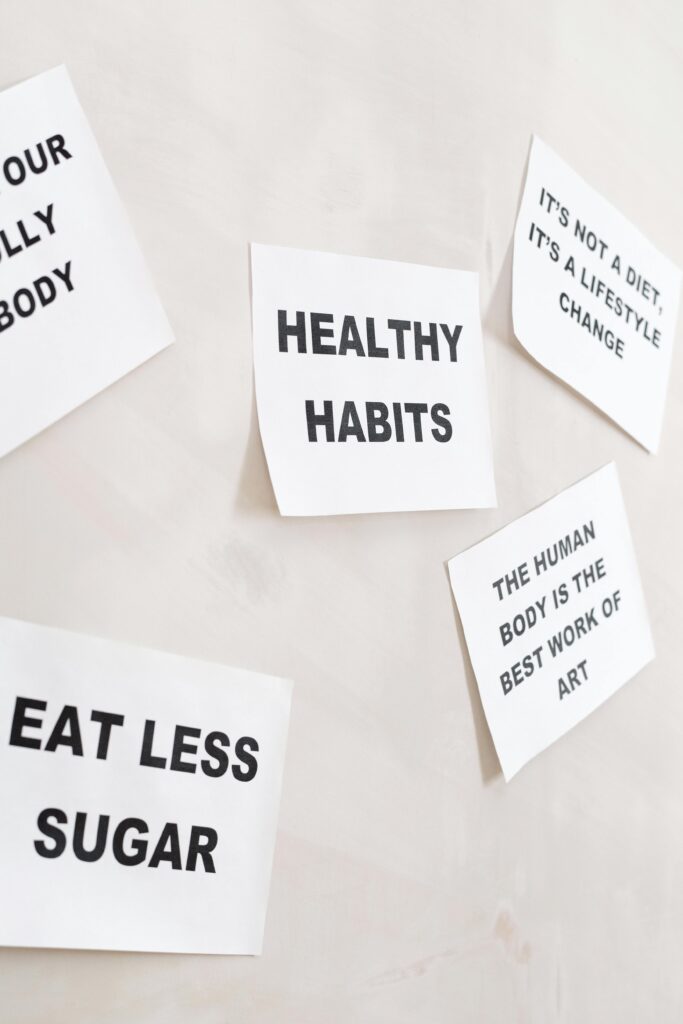
Fastest wins to try first
Swap one sugary drink for water today. Add a 20-minute walk after dinner tonight. These two changes alone can improve your sleep quality and energy levels within a few days.
How it affects your mood and brain
What you eat and how often you move directly affect your brain chemistry. Nutrients like omega-3 fatty acids, B vitamins, and iron support concentration and emotional regulation. Exercise releases endorphins and boosts neurochemicals that reduce anxiety and lift mood. This is not motivational language. It is biology.
People who maintain both good nutrition and consistent physical activity consistently report fewer low mood days, better stress management, and faster emotional recovery after difficult situations. The brain responds to how you treat your body, and it responds quickly.
Read More: https://www.cdc.gov/physical-activity-basics/benefits/index.html/
Strength, mobility, and making everyday life easier
One of the most underappreciated benefits of keeping your health in check is how much easier daily life becomes. Resistance training builds and preserves the muscle you use to carry groceries, climb stairs, lift children, and get up off the floor without struggling. Mobility work reduces stiffness and lowers your risk of injury during ordinary activities.
You do not need to spend hours in the gym. Two short strength sessions a week, combined with daily movement, are enough to maintain meaningful independence and reduce pain as you get older. The investment is small. The return is enormous.
Read More: https://asu.elsevierpure.com/en/publications/world-health-organization-2020-guidelines-on-physical-activity-an/

Long-term disease prevention and living longer well
This is where the long game really pays off. A consistent pattern of healthy eating and regular activity reduces your risk of the most common chronic diseases: heart disease, type 2 diabetes, certain cancers, and osteoporosis. It also protects against sarcopenia, which is the natural loss of muscle that comes with aging and is one of the main reasons older people lose independence.
Study after study consistently shows that people who meet basic activity and diet guidelines live longer and spend fewer of those years dealing with serious disability. The habits are ordinary. The outcomes are extraordinary.
“The research is consistent. Healthy eating and regular movement do not just extend your life. They extend the part of your life where you feel good and function well.”
Immune health and recovery
Your immune system needs raw materials to function, and those raw materials come from your food. Vitamins, minerals, adequate protein, and dietary variety all support faster recovery from illness and better responses to things like vaccines. Moderate regular exercise also improves how well your immune cells circulate and do their job.
Chronic inactivity and extreme overtraining both weaken immune defenses in different ways. The sweet spot is regular moderate movement combined with nutrient-dense food. That combination helps you bounce back faster when illness does hit, and reduces how often it hits in the first place.
Read More: https://pmc.ncbi.nlm.nih.gov/articles/PMC10255595/
Mental, social, and financial benefits
The benefits extend well beyond biology. Regular activity is often social. Group classes, team sports, walking with a friend, or even just getting outside regularly can reduce loneliness and significantly boost motivation. Achieving health goals, even small ones, increases confidence and a sense of control that carries over into work and relationships.
There is also a genuine financial argument here. Fewer sick days, lower medication costs, and reduced long-term healthcare expenses are real returns on what you invest in your health now. Preventive habits are almost always cheaper than reactive treatments. This is one of the most practical and overlooked reasons to start.

How diet and movement work together
These two pillars work better together than either one does alone. Exercise without enough protein limits the strength and function gains your body is capable of. A healthy diet without movement still leaves you vulnerable to muscle loss and poor cardiovascular fitness. Timing matters too. Eating well before and after exercise improves both performance and recovery.
When you tune both at the same time, the improvements compound faster than when you focus on just one. They are not competing priorities. They are the same investment from two angles.
Read More: https://www.who.int/health-topics/healthy-diet

Common barriers and honest simple fixes
Most people do not need more information. They need practical solutions to the real obstacles in their lives. Here are the most common ones and what actually works:
Barrier 1:
No time
Do 10 to 20-minute high-intensity intervals or a brisk 20-minute walk after meals. Short sessions done consistently beat long sessions done occasionally.
Barrier 2:
Confused about food
Keep it simple. Prioritize whole foods like vegetables, fruit, lean protein, and whole grains. Reduce ultra-processed items and sugary drinks. That is most of what you need.
Barrier 3:
Lack of motivation
Use habit stacking. Attach a new habit to something you already do daily. Set very small goals at first and track them simply. Small wins build momentum.
Barrier 4:
Budget concerns
Beans, eggs, seasonal vegetables, frozen produce, and basic whole grains are all affordable and nutrient-dense. Healthy eating does not have to be expensive.
A small shift that compounds over time
Real example
Swapping one sugary drink a day for water saves roughly 150 to 300 calories. Adding a 20-minute walk after dinner burns more, improves sleep, and lowers blood sugar spikes. Over weeks and months, those two tiny changes reduce caloric surplus, improve energy, and build daily activity into your life without dramatic effort. That is how health actually improves for most people. Quietly and consistently.
Your starter checklist for this week
You do not need to change everything at once. Pick one or two from this list and focus on them for the next two weeks before adding anything else.
- Eat one extra vegetable serving per day
- Replace one sugary drink with water
- Move for 20 minutes every day
- Add two short strength sessions this week
- Keep a consistent bedtime each night
- Swap one processed snack for a whole food
Final thought
Keeping your health in check is not about changing who you are. It is about creating small, consistent differences that compound into a noticeably better quality of life. Better energy. Clearer thinking. Stronger body. More resilient mind. Fewer years lost to illness and dependency.
Pick one thing from the checklist above. Try it for two weeks. Notice how you feel. Then add another. That is genuinely all it takes to get started.
At OneCoreHub, we believe a healthier life starts with informed choices. Explore our wellness resources, build sustainable habits, and take one step closer to becoming your best self.
Frequently Asked Questions
This article is for general education and is not a substitute for personalized medical advice. If you’re ready to make significant changes to your diet or activity level, it’s worth talking to a doctor first, especially if you have any existing health conditions.