Packaged snacks, instant meals, soda, and even some “fresh” supermarket meals. The term is everywhere. But what does the science actually show, and what should you genuinely do about it?
Ultra-processed foods, often shortened to UPFs, have become one of nutrition’s most talked-about topics. Depending on which headline you read, they are either the root cause of modern chronic disease or an oversimplified label that unfairly demonises convenient food. Neither extreme helps if you are just trying to figure out what to do at the grocery store.
This guide walks through what the science actually shows, what it does not yet prove, and a practical, realistic way to think about UPFs without panic or dismissal.
Read More: https://www.nih.gov/news-events/news-releases/nih-study-finds-heavily-processed-foods-cause-overeating-weight-gain
Table of contents
| What ultra-processed actually means |
| Why scientists are genuinely concerned |
| The study that changed the conversation |
| How much should you actually worry? |
| Simple rules of thumb |
| Smart swaps that keep meals convenient |
| Watching for nutrient gaps |
| When UPFs are genuinely useful |
| A realistic 7-day starting plan |
What ultra-processed actually means
The term comes from a food classification system called NOVA, which is the most widely used framework in nutrition research. NOVA sorts food into four groups: unprocessed or minimally processed foods, processed culinary ingredients like oil and salt, processed foods like canned vegetables or fresh bread, and ultra-processed foods, which sit in the final category.
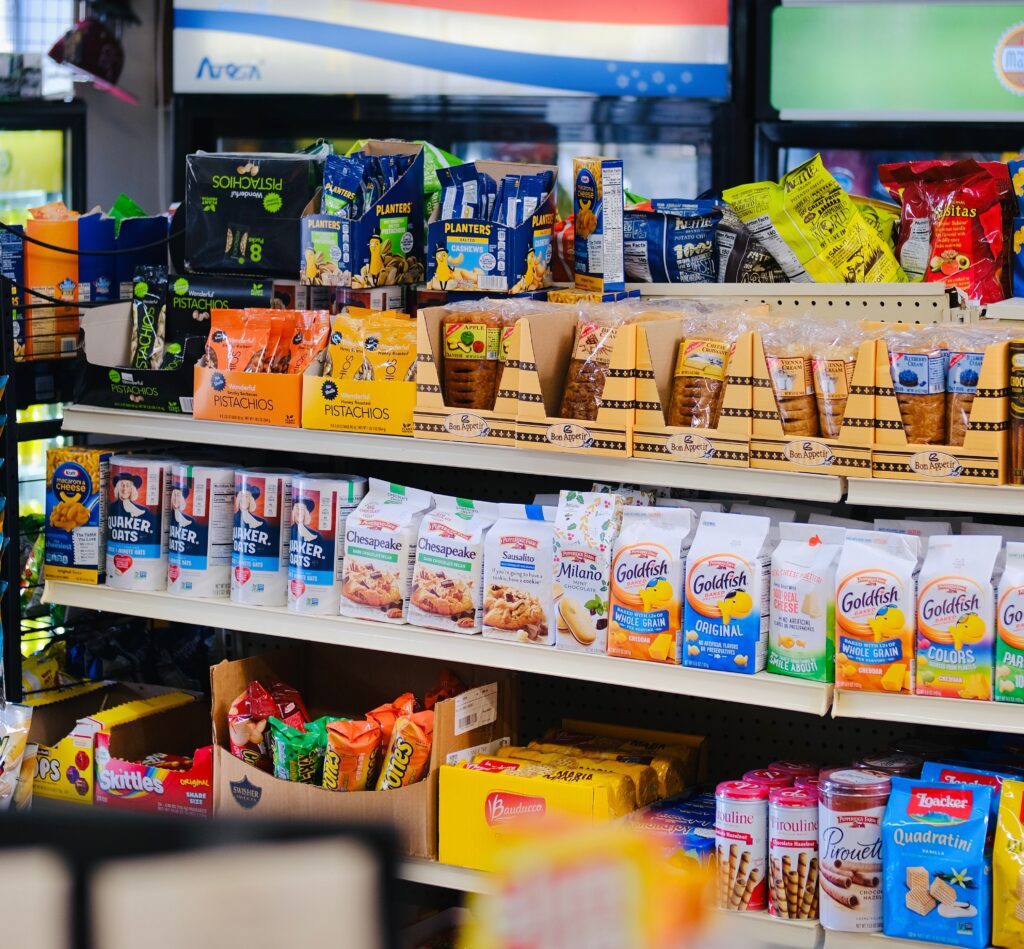
Ultra-processed foods are built mostly from industrial ingredients and go through multiple processing steps. They typically include additives such as flavourings, colourings, emulsifiers, sweeteners, and stabilisers. The giveaway is usually the ingredient list. Long, with names you do not recognise, and formulated more for taste, convenience, and shelf life than for nutrition.

Why scientists are genuinely concerned
Large observational studies, meaning studies that track what people eat over time rather than assigning them to specific diets, have consistently linked high UPF intake with greater risk of obesity, type 2 diabetes, cardiovascular disease, certain cancers, and earlier mortality. Several mechanisms have been proposed to explain why:
- High energy density combined with strong palatability, which tends to promote overeating without you noticing
- Low fibre and micronutrient content, which means these foods often displace more nutritious options rather than adding to them
- Additives and compounds formed during industrial processing, which may have metabolic or inflammatory effects that are still being studied
- A dose effect, where frequent UPF consumption gradually crowds out whole foods from the overall diet
It is important to understand a key limitation here. Most of these large studies are observational. They show association, not proof of direct cause and effect. People who eat more UPFs may also smoke more, exercise less, or have less access to healthcare, all of which complicate the picture. This is exactly why one particular study matters so much.
The study that changed the conversation
In 2019, researchers at the National Institutes of Health published the first randomized controlled trial examining ultra-processed foods as defined by the NOVA classification system. This matters because randomized trials can show actual cause and effect in a way that observational studies cannot.
Twenty weight-stable adults were admitted to the NIH Clinical Center and randomly assigned to eat either an ultra-processed diet or an unprocessed diet for two weeks, then switched to the other diet for two more weeks. Crucially, the meals were carefully matched for calories, energy density, macronutrients, sugar, sodium, and fibre. Participants could eat as much or as little as they wanted from what was provided.
What the trial actually found
People eating ultra-processed foods consumed significantly more calories and gained more weight than when they ate the minimally processed diet, even though both diets offered the same number of calories and the same macronutrient makeup.
On the ultra-processed diet, participants ate roughly 508 more calories per day than on the unprocessed diet, with most of that extra intake coming from carbohydrates. This happened despite both diets being rated similarly enjoyable by participants.
Source: https://www.cell.com/cell-metabolism/fulltext/S1550-4131(19)30248-7
What makes this finding genuinely important is that it suggests processing itself, not just calorie count, may affect how much your body wants to eat. The food was not rated as tastier, yet people still ate substantially more of it. This points toward something happening with appetite regulation and how quickly these foods are consumed, rather than a simple lack of willpower.
“This was a small study of 20 people over one month, and small studies should never be treated as the final word. But it remains the clearest causal evidence we have that processing itself can affect how much we eat.”
How much should you actually worry?
You do not need to clear every packaged item out of your kitchen. A more useful approach is to treat UPF intake as a modifiable risk factor, one that depends heavily on context rather than being purely good or bad.
Frequency matters
An occasional packaged snack is a very different thing from routinely replacing whole foods with UPFs at most meals. The research consistently points to dose and frequency as the meaningful factor, not the occasional treat.
Type matters
Not all UPFs sit in the same category nutritionally. Fortified plant-based milks, whole-grain cereals with short ingredient lists, and minimally processed canned beans can offer genuine nutrition and convenience. Sugar-sweetened beverages, most instant noodles, and confectionery sit at the other end and are worth limiting more deliberately.
Overall pattern matters
Your broader lifestyle, including physical activity, sleep, and stress levels, also shapes health outcomes. A diet built mostly around whole foods that occasionally includes UPFs is very likely healthier overall than one dominated by them.
Simple rules of thumb
Read the ingredient list: Many unrecognisable ingredients, long chemical names, or several additives are a reasonable signal that something is ultra-processed.
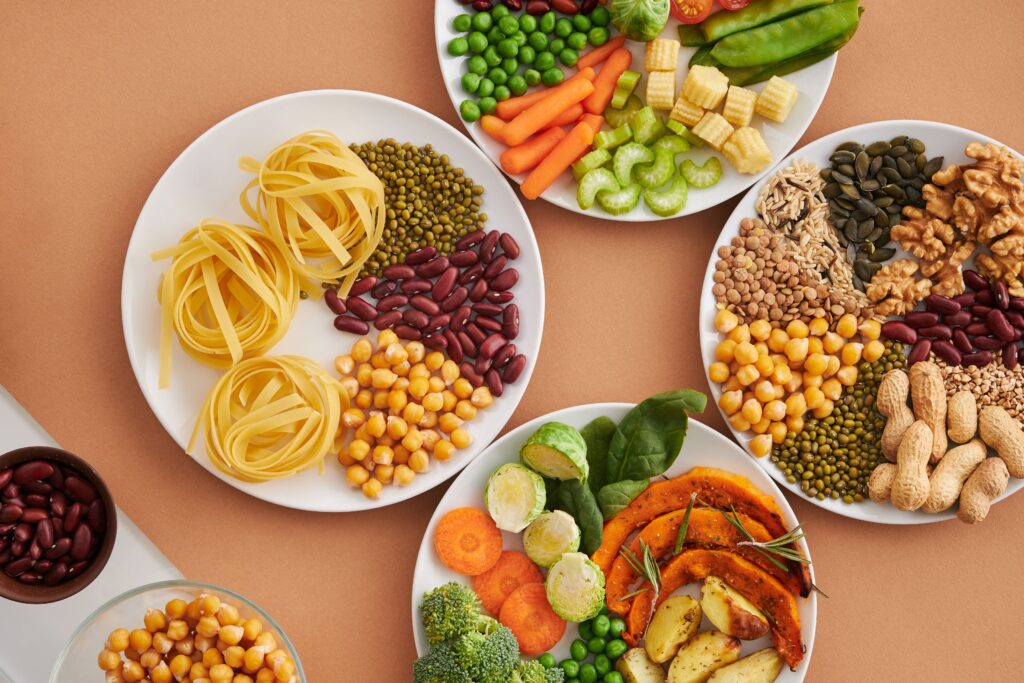
Build core meals around whole foods: Lean proteins, whole grains, legumes, fruits, vegetables, nuts, and seeds should form the foundation of most of your meals.
Use UPFs for convenience or occasional enjoyment: Think of them as a treat or a short-term convenience rather than a daily staple.
Smart swaps that keep meals convenient
Small, realistic swaps can meaningfully reduce UPF intake without costing you extra time or sacrificing taste.
Sugary cereal with milk: Plain oats cooked quickly with milk, topped with fruit and a spoon of nut butterFlavoured yoghurt with a long ingredient list: Plain yoghurt with honey, berries, and toasted nutsPackaged instant meal: A homemade grain bowl with brown rice or quinoa, canned beans, sauteed vegetables, and an olive oil and lemon dressing
These swaps keep meals convenient while boosting fibre, protein, and micronutrient content, which directly helps with hunger control and overall nutrition.
For more combinations like this, see our guide on Smart Food Pairings, which covers how to pair foods for maximum nutrient absorption.
Watching for nutrient gaps
Relying heavily on UPFs increases the risk of missing essential nutrients, since many of these products are low in fibre, vitamins, minerals, and beneficial plant compounds. A few signs are worth paying attention to:
- Fatigue, pale skin, or feeling breathless during light exertion can point toward iron deficiency
- Muscle cramps, tingling sensations, or disrupted sleep can reflect low magnesium or potassium
- Frequent infections, bleeding gums, or slow wound healing can signal low vitamin C
If you notice any of these patterns consistently, the right step is a blood test and a conversation with a healthcare professional, not guesswork or random supplementation.
Our full guide on Nutrient Deficiency Signs covers this in much more depth, including which deficiencies are most common and what to do about them.
A few preventive habits help close these gaps regardless of how processed your diet currently is:
- Add colour. Including fruit and vegetables across meals boosts vitamin and antioxidant intake meaningfully
- Choose fortified options where relevant, such as fortified plant milks for vitamin B12 and vitamin D, if you follow a restricted diet
- Include whole sources of micronutrients regularly, such as pulses, leafy greens, nuts, seeds, and lean meat or fish
Read More: https://www.thelancet.com/journals/lanam/article/PIIS2667-193X(24)00186-8/fulltext
When UPFs are genuinely useful, and when they are not
It is worth being fair here. UPFs serve real and valid purposes. They increase access to food, significantly reduce meal preparation time, and sometimes provide important calories or fortified nutrients that might otherwise be missed. For people managing limited time, mobility constraints, or tight budgets, some UPFs are genuinely practical solutions rather than failures of willpower.
The goal is to use them judiciously rather than eliminating them. A few common traps worth avoiding:
Relying on UPFs as the default for most main meals, which leads to dietary monotony and consistent nutrient gaps
Assuming “low-fat” or “low-calorie” labelling automatically means healthy, when many of these products still contain refined carbohydrates, additives, or hidden sugars
Ignoring portion size, since many UPFs are specifically engineered, through texture and flavour combinations, to encourage eating more than intended
A realistic, science-backed takeaway
The bottom line
Moderate concern is genuinely warranted. The evidence linking frequent UPF consumption to poorer health outcomes is real, but context and your overall dietary pattern matter just as much as any single food choice. Start by replacing the worst offenders first, sugary drinks, most packaged sweets, and high-salt instant meals, rather than attempting to overhaul everything at once. Use small, sustainable swaps, prioritise whole foods at most meals, and keep an eye on nutrient gaps using fortified choices or supplements only when genuinely needed.
Read More: https://academic.oup.com/eurjpc/article/32/16/1564/8173892
A realistic 7-day starting plan
This is not a strict diet plan. It is a simple template to reduce UPF reliance while keeping meals realistic for everyday life.
Breakfast: Porridge, eggs with vegetables, or yoghurt with fruit and seeds
Lunch: Grain bowl, lentil soup, or whole-grain sandwich with fresh salad
Snacks: Fruit, roasted chickpeas, or plain popcorn with spices
Dinner: Simple stir-fries, baked fish or beans, or casseroles from whole ingredients
Allow yourself one or two UPF treats during the week. Changes that feel sustainable are far more likely to stick than changes that feel like deprivation.
Read More: https://onecorehub.com/the-smart-way-to-eat-simple-food-pairings-that-make-any-diet-better/
Final thought
Ultra-processed foods are not a single villain responsible for all modern diseases, but they are a meaningful and modifiable contributor to how most people eat today. The right response is proportional concern rather than panic or dismissal. Be mindful, reduce routine reliance on the worst offenders, favour whole foods as your foundation, and use practical swaps and smart pairings to keep your diet both nutritious and realistic for the life you actually live.
Frequently Asked Questions
This article is for general education and is not a substitute for personalized nutritional advice. If you have specific health concerns related to diet, such as diabetes or heart disease, it’s worth talking to a doctor or registered dietitian about what changes make sense for you.