Most people know they need more sleep. But knowing and doing are two different things. Here is what the research says, translated into habits you can actually use.
Adults need about 7 to 9 hours of sleep per night to function well. But it is not just about the hours. The quality of your sleep matters just as much as the quantity. Good sleep means falling asleep without a long struggle, staying asleep through the night, and spending enough time in deep and REM sleep (Rapid Eye Movement) rather than light, broken rest.
Poor sleep is linked to higher risks of heart disease, obesity, depression, and a weaker immune system. Which means that improving your sleep is genuinely one of the most impactful things you can do for your overall health, and it does not require any medication or expensive gadgets.
Here is what the science says actually works.
Table of contents
| Set a consistent sleep schedule |
| Create a sleep-friendly environment |
| Build a relaxing pre-sleep routine |
| Manage light, screens, and stimulants |
| Sync with daylight and move your body |
| Watch what and when you eat |
| Handle stress and lying awake in bed |
| Your simple sleep checklist |
1. Set a consistent sleep schedule
If you take nothing else from this entire blog, take this. “Going to bed and waking up at roughly the same time every day, including weekends, is the single most effective habit for falling asleep faster and sleeping more deeply.” It works because your body runs on an internal clock called your circadian rhythm. When you keep a consistent schedule, your body learns exactly when to release melatonin, so by the time you get into bed, you already feel naturally sleepy.
Irregular sleep times, like sleeping in on weekends or staying up late some nights, throw that clock off and make it harder to fall asleep when you need to during the week.
Simple starting point:
Pick a wake-up time you can stick to every single day. That one anchor point, kept consistent, does more for your sleep quality than almost anything else. Your bedtime will naturally fall into place around it.
2. Create a sleep-friendly environment
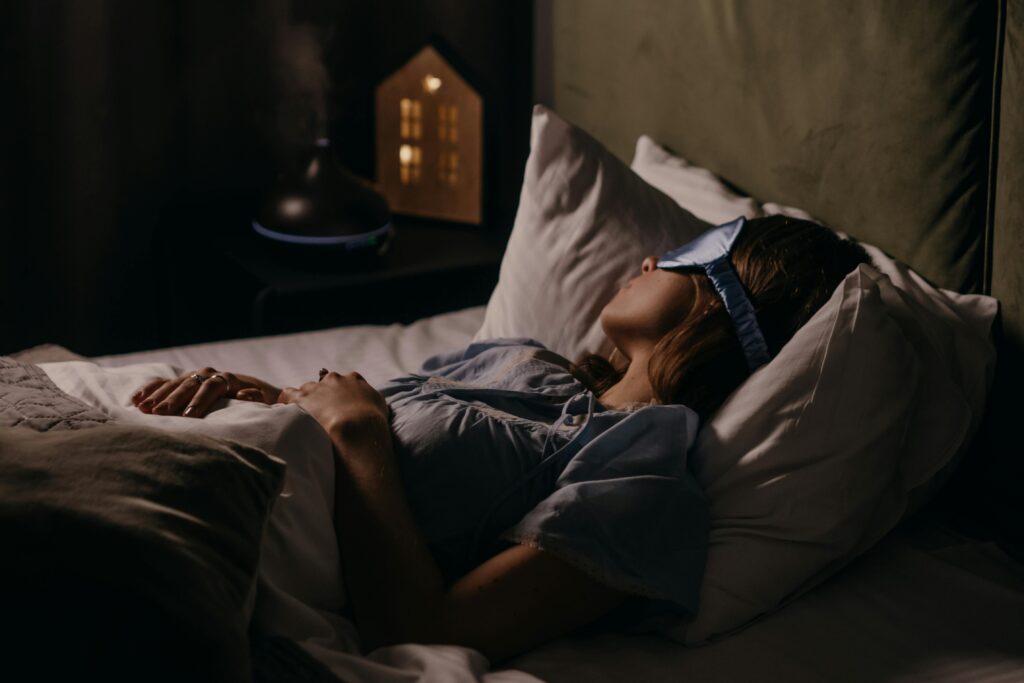
Your bedroom environment has a direct effect on how fast you fall asleep and how deeply you sleep.
Three things matter most: temperature, light, and noise. Research consistently shows that a cool room around 18 to 24 degrees Celsius makes it easier to both fall asleep and stay asleep. Your body needs to drop its core temperature slightly to initiate sleep, and a warm room fights against that.
Keep the room cool, dark, and as quiet as possible
Use blackout curtains if streetlights or morning sun wake you up early
Try earplugs, a fan, or a white noise machine if noise is an issue
Remove or cover any LED indicator lights on devices; they are brighter than they look in the dark
Switch to dim, warm-toned lamps in the hour before bed instead of bright overhead lights
Read More: https://www.sleepfoundation.org/circadian-rhythm
3. Build a relaxing pre-sleep routine
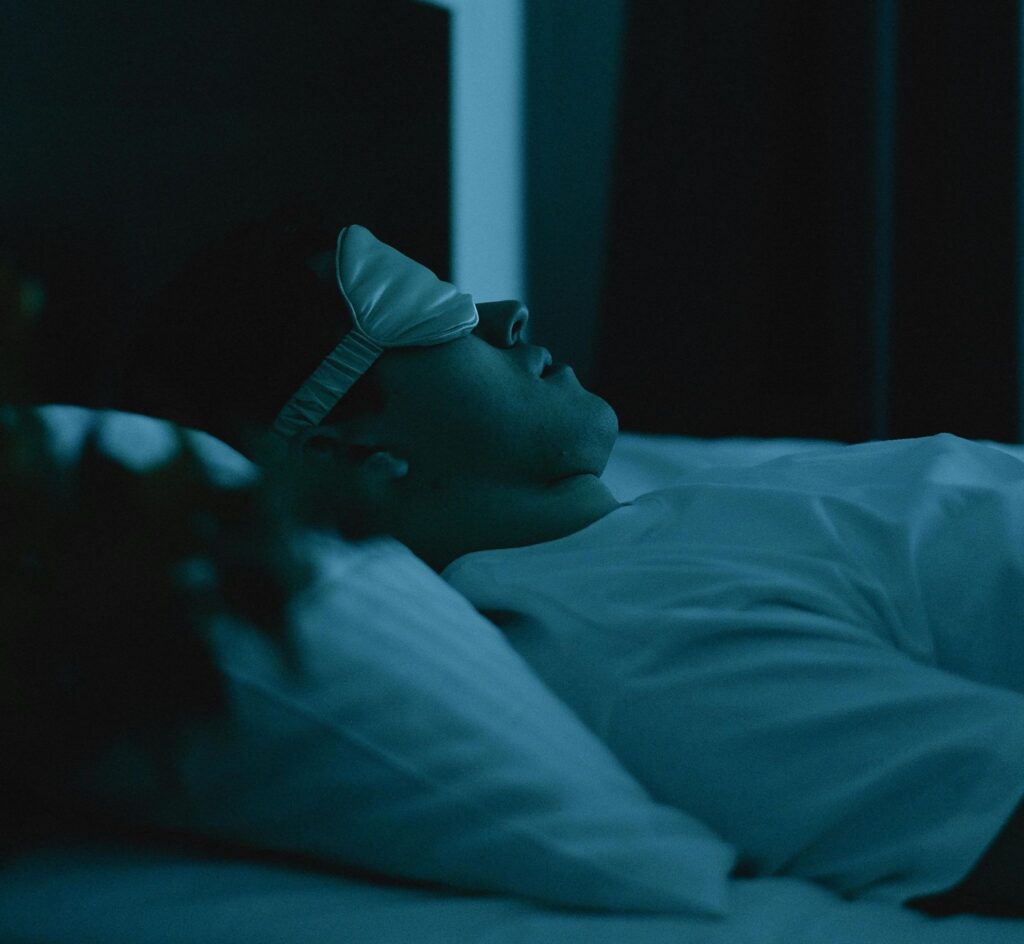
Your brain does not switch from fully alert to asleep in an instant. It needs a transition period. A consistent wind-down routine in the 30 to 60 minutes before bed signals to your brain that the day is done and it is safe to relax. Studies show this reduces the time it takes to fall asleep and improves overall sleep quality.
The activity does not matter as much as the consistency of doing it. Some options that are well supported by research:
- Light reading, ideally a physical book or an e-ink reader rather than a backlit screen
- Soft background music or nature sounds
- Gentle stretching or light yoga
- Slow breathing exercises like the 4-7-8 method, where you inhale for 4 counts, hold for 7, and exhale for 8
- A simple body scan meditation where you consciously relax each part of the body from head to toe
“A wind-down routine is not about relaxing activities for their own sake. It is about training your brain to associate certain cues with sleep, so it starts shutting down before you even get into bed.”
4. Manage light, screens, and stimulants
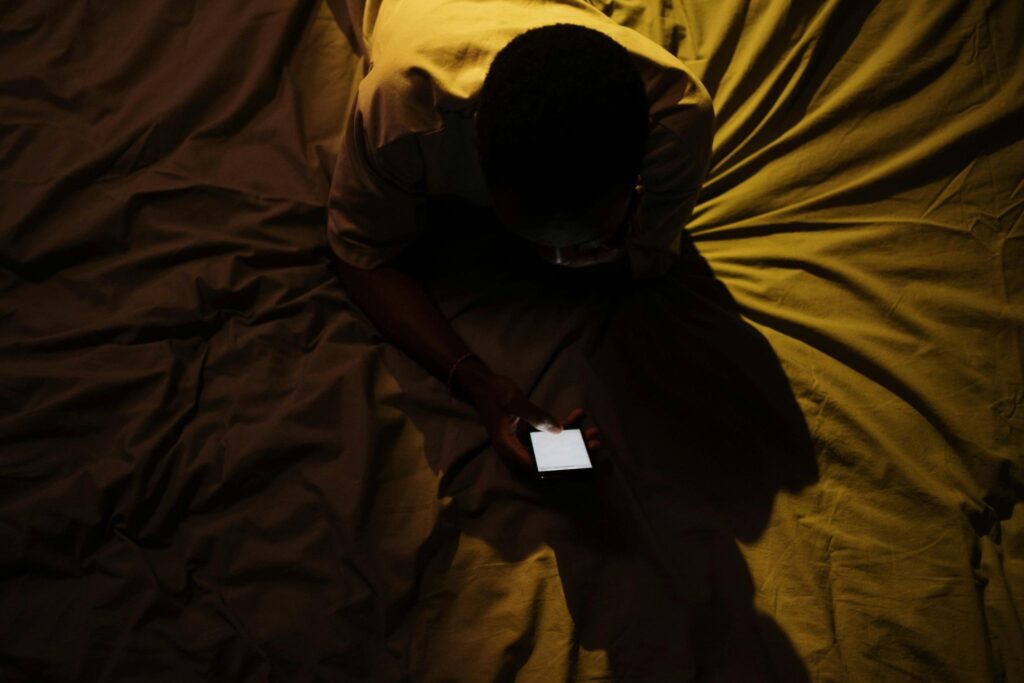
I cannot stress this enough: screens are one of the most common sleep disruptors in modern life. The blue light emitted by phones, tablets, and laptops suppresses melatonin production and pushes back the time your body wants to sleep. Using your phone in bed does not just waste time. It actively delays the biological process of falling asleep.
Caffeine is the other major culprit. It has a half-life of about 5 to 7 hours in most people, meaning that a cup of coffee at 3 pm still has half its caffeine effect in your system at 8 pm or 9 pm. Alcohol is worth mentioning separately because it can feel like it helps you sleep, but that is not a reason you should start drinking before sleep; it actually fragments your sleep in the second half of the night and significantly reduces deep and REM sleep (Rapid Eye Movement).
Try to avoid screens for 1 to 2 hours before bed
If you must use a screen, turn on night shift or a blue light filter
Stop caffeine after noon or early afternoon
Avoid large amounts of alcohol close to bedtime
Read More: https://www.sleepfoundation.org/bedroom-environment/blue-light
5. Sync with daylight and move your body
Getting outdoor light in the morning is one of the most underused sleep tools available to everyone for free. Morning sunlight sends a strong signal to your circadian clock that the day has started, which then sets the countdown for when melatonin will rise in the evening. People who get regular morning light tend to fall asleep faster and sleep more deeply at night.
Regular physical activity also increases the amount of time you spend in deep sleep. You do not need intense exercise. Even brisk walking for 30 minutes most days makes a noticeable difference. The one limitation is timing: vigorous exercise in the hour or two right before bed can be stimulating for some people and delay sleep onset.
Easy daily habit
Spend 15 to 30 minutes outside in the morning, ideally without sunglasses if it is safe to do so. Even on cloudy days, outdoor light is significantly brighter than indoor light and still sets your clock effectively.
Read More: https://www.sciencedirect.com/science/article/abs/pii/S1389945714004936?utm_source=chatgpt.com

6. Watch what and when you eat
What you eat close to bedtime can directly affect how well you sleep. Heavy, spicy, or acidic meals eaten late at night can trigger indigestion or acid reflux that wakes you up or prevents deep sleep. The timing of your last meal matters, not just what is in it.
On the other hand, a small light snack if you are genuinely hungry before bed is usually fine and may even help. Foods with complex carbohydrates or a small amount of protein can support melatonin and tryptophan production. Tart cherry juice has modest research backing as a natural sleep support.
Avoid large or heavy meals within 2 to 3 hours of bedtime
If you are hungry, a small snack like a whole-grain
Toast or oatmeal is fine
Limit spicy and acidic foods in the evening if you are prone to reflux
Read More: https://www.health.com/best-time-to-eat-dinner-for-better-cognitive-health-11965065?utm_source=chatgpt.com

7. Handle stress and lying awake in bed
One of the most frustrating and common sleep problems is lying in bed with your mind racing and being unable to switch off. Anxiety about sleep itself, where you start worrying that you cannot sleep, actually activates your brain further and creates a cycle that makes things worse. Research-backed advice here is to stop trying to force sleep.
If you have been lying awake for around 20 to 25 minutes, get out of bed. Go to a different room, keep the lights low, and do something calm like reading or gentle stretching. Return to bed only when you feel genuinely sleepy. Staying in bed tossing and turning trains your brain to associate your bed with wakefulness rather than sleep, which makes the problem worse over time.
What not to do
Do not check your phone when you wake up in the night. Do not check the clock repeatedly, either. Both increase mental alertness and anxiety, and make it significantly harder to get back to sleep.
A 5-minute journaling habit before bed, where you write down any worries or unfinished thoughts, can help clear your mind before you try to sleep. It is not about solving problems. It is about getting them out of your head and onto a page so your brain does not feel the need to keep cycling through them.
If journaling feels difficult for you, try stretching and meditation instead, focusing as much as you can on your breath. This is coming from my personal experience.
Your simple sleep checklist
Here is everything covered in this guide in one place. Aim to build these habits gradually rather than trying to change everything at once.
| Same bedtime and wake time daily |
| Cool, dark, and quiet bedroom |
| 30 to 60 min wind-down routine |
| No screens 1 to 2 hours before bed |
| Stop caffeine after noon |
| Morning sunlight every day |
| 30 min of movement most days |
| No heavy meals 2 to 3 hrs before bed |
| Journal worries before sleep |
| Get out of bed if awake for over 25 min |
Final thought
Sleep is not passive. It is an active biological process that your body needs to repair, consolidate memory, regulate mood, and maintain every major system in your body. The habits above are not complicated, but they do require consistency.
Pick one or two to start with. A consistent wake time and reducing screen use before bed are the two highest-impact changes for most people. Give them two to three weeks and notice the difference before adding anything else.
Better sleep is not a luxury. It is the foundation on which everything else is built.
A good night’s sleep is an investment in your future self. Keep exploring OneCoreHub for practical tips and expert insights to help you create a healthier, more balanced life- one habit at a time.
Frequently asked questions
This article is for general education and is not a substitute for personalized medical advice. If you consistently struggle to fall or stay asleep despite good sleep habits, it’s worth talking to a doctor, since ongoing sleep problems are sometimes linked to an underlying condition that’s worth ruling out.